
Sugar reduction has become one of the most pressing formulation challenges in the food and beverage industry. Regulatory pressure is building. Consumers are scrutinizing labels. Retailers are prioritizing healthier alternatives. Yet the most persistent obstacle remains unchanged: reducing sugar without compromising the taste, texture, and overall eating experience that consumers expect.
Agave syrup has emerged as one of the most effective tools for solving that problem. Its unique combination of high sweetness intensity, low glycemic response, and functional versatility makes it a formulation solution worth understanding in full.
Why Reducing Sugar Is Harder Than It Sounds
Sweetness is only one of sugar's roles in food and beverage formulation. Sugar also contributes body, moisture retention, browning, preservation, and texture. Remove it without a thoughtful replacement strategy, and the product suffers on multiple fronts at once.
Artificial sweeteners address the sweetness gap. They rarely address anything else. Many high-intensity synthetic options leave bitterness or off-notes at higher usage levels. They do not replicate sugar's structural contributions. They can create mouthfeel problems that consumers notice immediately, even if they cannot identify the source.
Natural sugar alternatives face a different set of challenges. Some crystallize in storage. Others carry strong flavor profiles that compete with the product's intended taste. Some perform inconsistently under heat, which limits their usefulness in baked and cooked applications. A credible solution for reducing sugar needs to address all of these factors, not just one.
What Makes Agave Syrup an Effective Sugar Reduction Tool
Agave syrup delivers approximately 1.5 times the sweetness of table sugar. That single property creates immediate formulation leverage. To achieve the same sweetness level, a manufacturer uses roughly 30 to 40 percent less agave syrup by volume compared to granulated sugar. Less sweetener in the formulation means fewer total sugars on the nutrition label. It can also mean lower calorie content per serving. Both outcomes align directly with sugar reduction objectives.
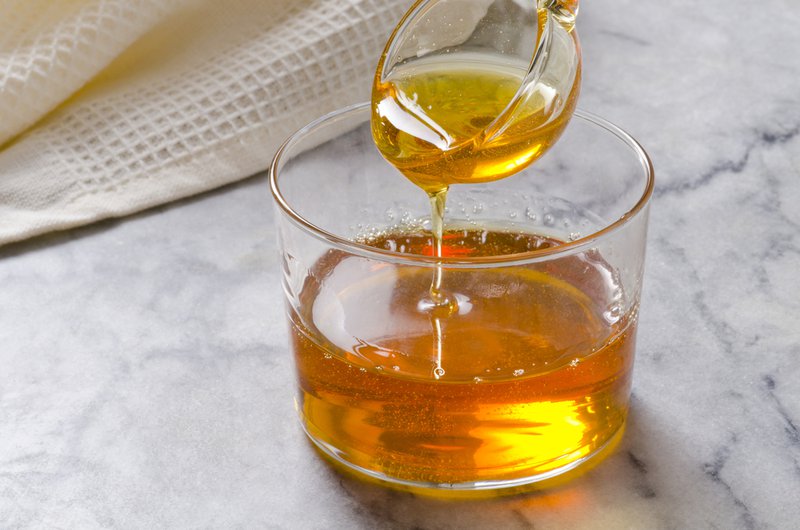
The glycemic index of agave syrup sits at approximately 17. For context, table sugar carries a glycemic index of around 65, and honey sits between 55 and 60. That exceptionally low glycemic response sets agave apart from most natural sweetener alternatives. It means the sugar that does remain in the formulation has a far slower impact on blood glucose. For products positioned toward health-conscious consumers, that distinction carries real marketing weight.
Beyond sweetness and glycemic profile, agave syrup replicates many of sugar's functional roles in formulation. It retains moisture, which extends shelf life in baked goods. It contributes humectancy, which helps maintain texture over time. It does not crystallize during storage, unlike honey or certain other liquid sweeteners. It blends cleanly in both hot and cold applications. Lighter varieties carry a neutral flavor profile that does not compete with the primary product taste.
Agave Syrup Across Reducing Sugar Applications
The formulation flexibility of agave syrup makes it practical across a broad range of product categories. Each category presents its own set of requirements, and agave performs well across most of them.
Beverages are perhaps the most straightforward application. Agave syrup dissolves easily in cold liquids, which is a significant operational advantage over granulated sugar. It does not require heating to incorporate. Its neutral flavor in lighter varieties keeps beverage taste profiles clean. For RTD products, functional drinks, and flavored waters where sugar reduction is a primary label claim, agave syrup delivers a measurable advantage.
Baked goods require more nuanced substitution. Sugar's role in structure, browning, and moisture makes direct one-to-one swaps impractical. Agave syrup's liquid form means that total liquid content in a recipe needs adjustment. Its higher sweetness intensity means usage levels need calibrating. When formulated correctly, however, agave syrup produces baked goods with comparable texture, a desirable golden finish, and improved moisture retention over shelf life. The range of food applications where agave syrup performs effectively is broader than many manufacturers initially expect.
Sauces, dressings, and condiments benefit from agave syrup's viscosity and clean flavor. It blends smoothly into emulsified products. Its humectancy helps maintain consistency in products with variable refrigeration. Reduced-sugar sauce applications, which have grown substantially as consumers look for healthier pantry staples, are a natural fit.
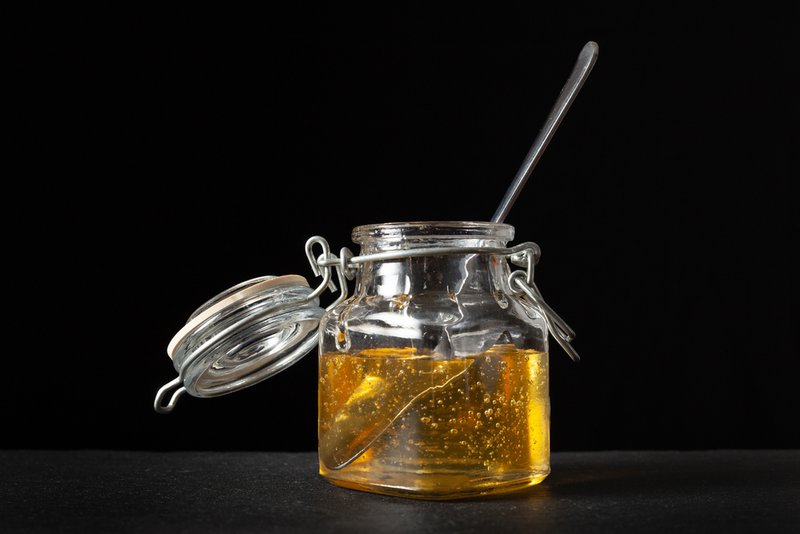
Snack and cereal bar applications present both an opportunity and a challenge. Agave syrup's binding properties make it a viable replacement for corn syrup or honey in bar formulations. Its lower crystallization tendency keeps bars softer over shelf life. Sugar reduction claims in this category carry significant consumer appeal, and agave syrup's clean-label credentials support the positioning well.
Formulation Considerations for Sugar Reduction with Agave Syrup
Effective sugar reduction with agave syrup requires attention to a few key formulation variables. Substitution ratios are the starting point. Because agave syrup is about 40 percent sweeter than granulated sugar and roughly twice as sweet as corn syrup, usage levels need to be reduced accordingly. A general starting point for replacing granulated sugar is to use approximately 75 percent of the sugar weight in agave syrup, while also reducing total liquid content slightly to account for agave's liquid form.
pH is another variable worth monitoring. Agave syrup is mildly acidic. In some applications, particularly those sensitive to acid-base balance, slight pH adjustments may be needed. This is rarely a significant issue, but it is worth testing during development.
Flavor masking is an area where agave syrup consistently performs well. Its mild, neutral sweetness in lighter grades does not introduce competing flavor notes. For products where a clean-eating sweetener profile is part of the brand story, agave syrup's flavor transparency is a genuine advantage. Darker grades carry more pronounced flavor notes similar to light caramel or maple. Those grades suit applications where a richer flavor profile complements the product.
How The Tierra Group Supports Sugar Reduction Goals
The Tierra Group supplies our Bluava® Agave Syrup in bulk packaging formats suited to food and beverage manufacturing at scale. Our vertically integrated production in Capilla de Guadalupe, Mexico ensures batch-to-batch consistency that formulation teams can rely on. We produce using 100% Blue Agave Tequilana Weber, with no blending from third-party sources.
Reducing sugar does not have to mean compromising on what makes a product worth eating. Talk to our team and find out how we can support your next reformulation. Contact us today.