
Why Agave Spirits Belong in Every Micro Distillery
For most of the last decade, agave was the story in American spirits. In 2024, tequila and mezcal generated roughly $6.7 billion in supplier revenues in the United States. Agave spirits was the only major category to grow while the broader spirits market contracted. Then 2025 cooled things off, with revenue slipping 4.1% to about $6.4 billion.
Look past the dollar figure, and the picture changes. Volume went from around 20 million nine-liter cases in 2019 to roughly 31 million in 2025. Consumers didn’t abandon agave. They stopped paying $60 for celebrity bottles and started looking for value and character instead.
High demand, softening tolerance for luxury pricing, and a consumer who now knows what a good agave spirit tastes like, is precisely the gap a small producer is built to fill.
The category has a legal front door
Plenty of distillers assume agave is closed to them because tequila and mezcal are protected Mexican designations. That’s half right, and the other half matters.
In 2022, TTB’s labeling modernization created agave spirits as its own standard of identity. The requirements are refreshingly simple: at least 51% of the fermented mash must derive from plants in the genus Agave, distillation must be below 190 proof and bottled at 80 proof or above. Wood aging is permitted but not required.
Tequila and mezcal sit inside that class as types, and both remain distinctive products of Mexico. You cannot use those names. But “agave spirits” is a legitimate class-and-type designation on a U.S. label, not a specialty product hiding behind a fanciful name. You get a real category, real shelf placement, and a bartender who already understands what’s in the bottle.
The raw material math has flipped
Agave pricing has undergone one of the more dramatic commodity reversals in recent memory. Piña prices peaked around 30–35 pesos per kilo in 2022. Registered growers in Mexico jumped from roughly 3,180 in 2014 to over 42,000 by 2024, and all that planting matured at once. Prices have since collapsed into the 2–8 peso range, well below production cost for many farmers.
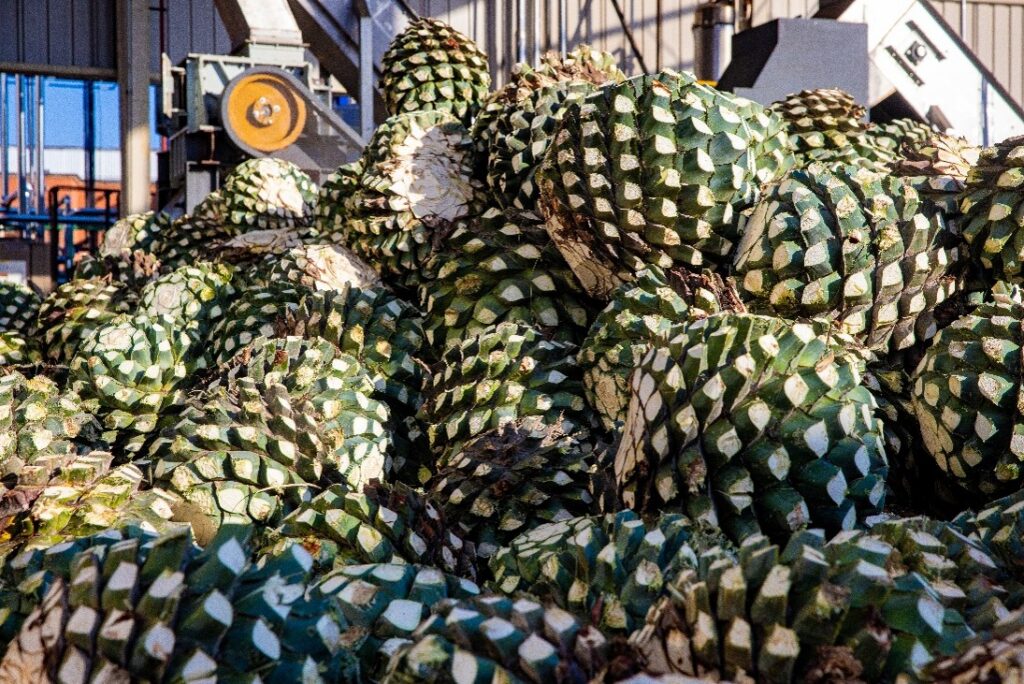
Because agave takes six to eight years to reach maturity, this glut won’t clear quickly. For anyone buying agave distillate rather than growing agave, it’s a buyer’s market with real runway.
Why the format suits a small footprint
Cash flow. This is the big one. A blanco-style agave spirit requires no aging. It can be received, proofed, filtered, and bottled within weeks. Compare that to whiskey, where capital sits in a warehouse for three or four years before it earns a dollar. For a distillery managing seasonal revenue, an unaged agave spirit is one of the few products that converts inventory to cash on a short clock.
Your barrels are already an asset. Oak aging is optional for agave spirits, which makes it a differentiation lever rather than a compliance requirement.
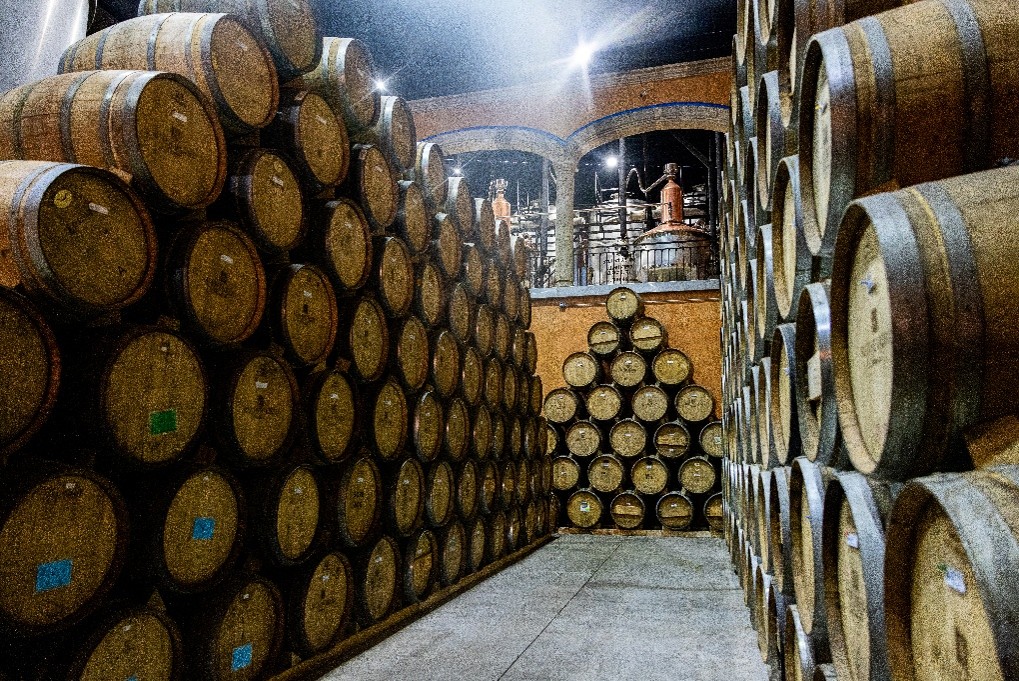
Ex-bourbon, ex-rye, ex-sherry, and ex-wine barrels can produce a distinctive, sellable product. Small-format barrels that would over-oak a whiskey work in your favor here.
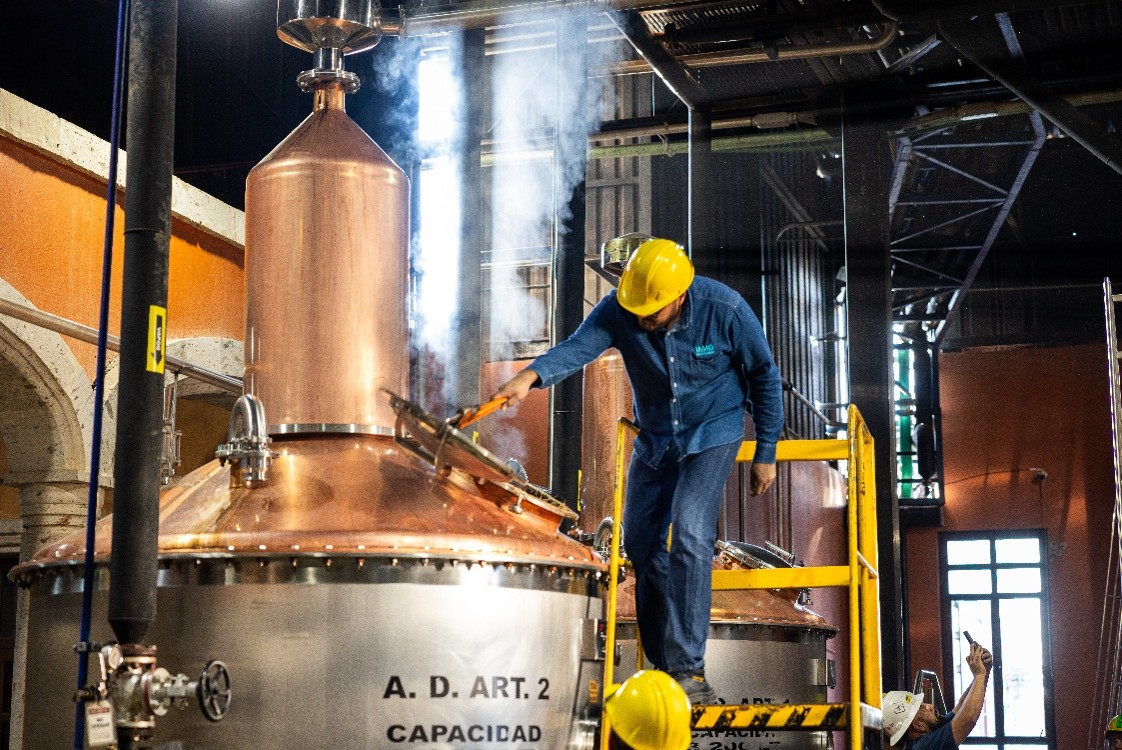
You skip the capital-intensive front end. Cooking agave requires autoclaves or masonry ovens. Then milling, then high-solids fermentation, this is a specialized, expensive build-out, plus direct exposure to an agricultural commodity you don’t control. Sourcing bulk distillate and focusing your craft on blending, finishing, proofing, and brand-building removes that entire barrier.
The Window
Cheap agave, a defined legal category, proven consumer demand, and a market actively hunting for alternatives to overpriced celebrity brands — those four conditions rarely align at once. For a micro distillery looking to add a fast-turning, high-margin SKU without an eight-figure build, agave spirits deserve a serious look.
How Tierra Group Can Help
The Tierra Group offers agave spirits in many varieties. Mexican produced spirits are stored in our U.S. warehouse that are ready to ship to your distillery. Reach out to our team to start your own line of agave spirits.