
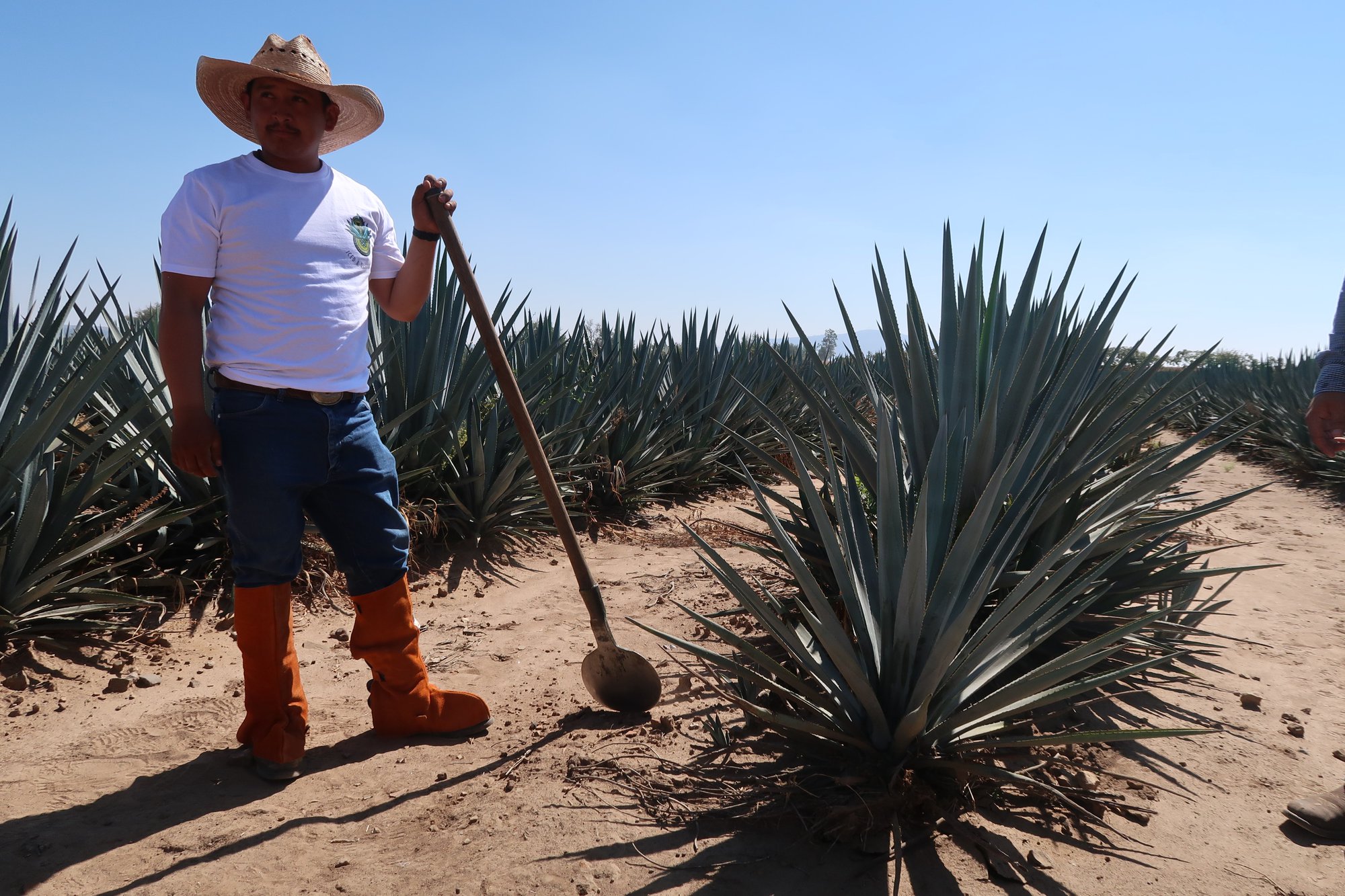
Agave is increasingly recognized as a critical ingredient in beverage production, valued not only for its unique flavor but also for its functional benefits. As demand rises, beverage companies face growing pressure to adopt sourcing practices that prioritize environmental sustainability while maintaining consistent supply. A clear understanding of sustainable agave production allows organizations to align with responsible practices and secure long-term operational continuity.
Consumers and investors are also paying closer attention, rewarding brands that demonstrate accountability, transparency, and environmental stewardship in their ingredient sourcing. Responsible cultivation practices support product integrity and operational resilience, helping minimize risks linked to climate variability and market fluctuations. By embracing sustainable strategies, beverage companies can strengthen their reputations and confidently position themselves for scalable growth.
How Can Beverage Companies Ensure Agave Sustainability?
Sustainable cultivation starts with protecting soil health and minimizing environmental impact during growth cycles. Optimizing crop rotation and organic soil enrichment encourages stronger plants and long-term viability. Consequently, companies can rely on consistent quality without compromising ecological integrity.

Monitoring water usage and applying efficient irrigation techniques ensures farms reduce environmental strain significantly. Adopting rainwater capture systems and drip irrigation also lowers operational costs while supporting sustainability objectives. In addition, understanding agave syrup MOQ and lead times helps companies plan production and procurement more effectively.
Engaging with local communities and supporting ethical labor practices enhances the overall sustainability of sourcing. Social responsibility initiatives foster stronger partnerships and reinforce brand trust with consumers. Ultimately, integrating environmental and ethical considerations creates a resilient, socially conscious supply chain.
Vertical Integration Improves Oversight of Agave Practices
Vertical integration allows beverage companies to oversee every stage of agave production, from cultivation to processing facilities. Maintaining close control ensures adherence to sustainability standards, reduces waste, and supports long-term agave supply reliability. Consequently, companies can track environmental performance metrics and implement improvements proactively.
Centralized operations streamline documentation and regulatory compliance, supporting transparent sustainability reporting. Efficient logistics also reduce transport-related emissions, improving the environmental profile of agave products. For companies pursuing large-scale beverage production, these practices offer practical guidance for scaling responsibly.
Furthermore, vertical integration enables consistent quality and batch standardization, which directly impacts the flavor and functionality of beverage products. Companies can test and refine agave production methods while adhering to eco-friendly practices effectively. Such control positions organizations to innovate while meeting consumer expectations for sustainable ingredients.
Conserving Water and Land for Long-Term Supply
Efficient water management is essential in sustaining agave crops while protecting regional ecosystems. Implementing precision irrigation and monitoring soil moisture improves water-use efficiency substantially. Additionally, minimizing runoff preserves surrounding habitats and maintains agricultural balance.
Strategic land management practices, such as rotational planting and minimizing monoculture, prevent soil degradation and promote biodiversity. These approaches ensure long-term agave production remains viable for future growth cycles. Companies exploring bulk sourcing opportunities can review agave wine in bulk trends to understand sustainability considerations for large-scale operations.
Investing in renewable energy and eco-conscious infrastructure supports sustainable cultivation and reduces operational carbon footprints. Solar-powered equipment, energy-efficient machinery, and waste-reduction initiatives contribute directly to responsible agave production. Consequently, beverage companies can maintain consistent agave availability while demonstrating environmental commitment.

Transparency and Ethical Sourcing Strengthen Brand Trust
Transparency across the agave value chain strengthens credibility and builds confidence among stakeholders in sustainable sourcing practices. Sharing detailed information about cultivation, harvesting, and processing allows buyers to make informed decisions consistently. Open communication enhances long-term partnerships with suppliers and distributors while supporting operational integrity.
Beverage companies can take specific steps to ensure their agave sourcing meets ethical and transparency standards:
- Share detailed data on cultivation, harvesting, and processing practices with buyers regularly.
- Implement fair compensation and ethical labor practices for workers at all production stages.
- Support local communities through education, infrastructure, and sustainable development initiatives.
- Track and publicly document environmental and social sustainability metrics effectively.
- Collaborate with suppliers to maintain consistent quality and environmental standards throughout production.
Integrating these practices helps beverage companies strengthen consumer trust and operational credibility. Adopting transparency and ethical measures ensures sustainable agave sourcing aligns with long-term supply and business goals.
Prioritizing Sustainability in Agave Sourcing
Sustainable agave production is a strategic imperative for beverage companies seeking long-term viability and consumer trust. Integrating responsible cultivation, water management, and ethical sourcing practices ensures supply stability while protecting ecosystems. Companies investing in these initiatives gain credibility and differentiate their products meaningfully within competitive markets.
Through vertically integrated agave operations, The Tierra Group prioritizes sustainability while ensuring consistent supply for beverage companies. Contact us today to explore how responsible sourcing can support your brand’s operational objectives and long-term growth. Learn more by visiting their website and accessing detailed resources to guide sustainable agave production strategies.