
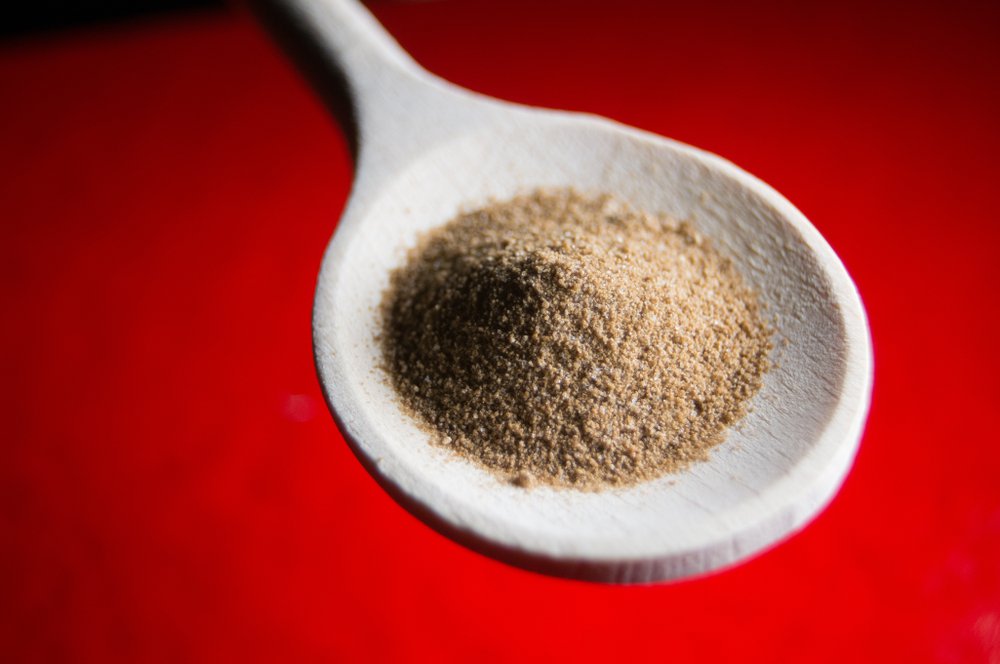
Cost pressure in food manufacturing rarely lets up. Input prices shift. Labor costs climb. Retailer margin requirements tighten. For procurement and formulation teams navigating that environment, the instinct is often to look for cheaper ingredients.
The smarter move is to find ingredients that deliver more value per dollar spent. Agave inulin occupies that second category. Used strategically in food applications, it reduces costs in ways that do not require cutting corners on quality, nutrition, or consumer experience.
Replacing Multiple Ingredients with Agave Inulin
One of the most direct cost-saving advantages of agave inulin in food formulation is its ability to replace multiple functional ingredients simultaneously. In many applications, agave inulin performs the roles of a fat replacer, a texture modifier, a fiber fortifier, and a mild sweetener in a single ingredient addition.
Fat replacement is particularly relevant in lower-calorie or reduced-fat food segments. Inulin's ability to form gels and contribute creaminess allows formulators to reduce fat content while maintaining the mouthfeel that consumers associate with full-fat products.
Stabilizers and thickeners represent another replacement opportunity. In dairy and plant-based applications, agave inulin contributes to texture stability and emulsion performance without requiring additional gums or modified starches.
Fewer line items on an ingredient invoice, fewer supplier relationships to manage, and fewer compliance documents to maintain all translate into operational cost reductions that compound over time.
Fiber Fortification Without Reformulation Complexity
Adding a fiber claim to a food product without agave inulin typically means adding a fiber ingredient that changes the product's taste, texture, or processing behavior. Many fiber sources introduce grittiness. Others affect moisture levels in baked goods. Some interact poorly with other ingredients at high temperatures.

Agave inulin avoids most of these complications. Its mild flavor profile does not compete with primary taste systems. Its solubility in aqueous applications is predictable. At inclusion levels sufficient to support a fiber claim, the sensory impact on most food formats is minimal. That means formulation teams can add a fiber claim without rebuilding the product around the new ingredient.
The cost implication is meaningful. Reformulation is expensive. It consumes R&D time, requires new stability testing, and can delay production timelines significantly. An ingredient that delivers fiber fortification without triggering broader reformulation work saves both the direct cost of ingredient development and the indirect cost of delayed market access.
Sweetness Reduction Without Artificial Alternatives
Sugar reduction creates cost pressure of its own. When refined sugar is removed from a formulation, something has to replace the sweetness, body, and moisture-retention properties it was providing. High-intensity artificial sweeteners address sweetness but introduce other costs, including off-note masking, consumer label concerns, and in some markets, regulatory scrutiny.
Agave inulin contributes mild sweetness that reduces the volume of primary sweetener required in a formulation. It is not a direct sugar replacement on its own. However, combined with a reduced level of agave syrup or another low-glycemic sweetener, it allows formulators to achieve sweetness targets with a lower total sweetener load.
The cost and nutritional advantages of low-glycemic sweeteners used in combination with functional fibers are compounded across high-volume production runs. A modest reduction in sweetener volume per batch becomes a significant annual saving at scale.
That combined approach also produces a cleaner label outcome. Agave inulin and agave syrup share the same plant origin. Together on an ingredient list, they tell a coherent, single-source story that resonates with clean-label buyers.
Bulk Sourcing as a Cost Management Lever
Ingredient unit cost is only one dimension of total procurement cost. Order frequency, minimum order quantities, packaging format, and inventory management all affect the total cost of an ingredient in production. Smart sourcing strategies for bulk ingredients apply directly to agave inulin procurement.
Powder inulin carries a three-year shelf life. That extended shelf stability makes it well-suited to bulk purchasing strategies that lock in favorable pricing without creating inventory risk. A producer who commits to a larger volume at a fixed price, knowing the ingredient will hold for three years under standard storage conditions, protects both margin and supply continuity simultaneously.
Liquid inulin has a shorter shelf life of approximately six months. For operations with higher production frequency, liquid inulin's handling advantages in certain applications justify its faster turnover. The key is matching the format to the production rhythm. Mismatching format and consumption rate is where unnecessary cost enters the equation.

Category-Specific Cost Benefits in Food Applications
The cost profile of agave inulin varies across food categories, but the advantages are consistent. In baked goods, inulin's moisture retention properties extend shelf life. A product that stays fresh longer generates fewer returns, less markdown pressure, and lower waste across the distribution chain.
In snack and nutrition bars, inulin's binding properties reduce the need for syrups or other binding agents. It contributes fiber content that supports nutritional claims on a category where health positioning drives premium pricing. A bar with a meaningful fiber claim and a clean-label ingredient list commands more shelf space and better margin than a comparable bar without those credentials.
In functional powders and meal replacements, inulin's prebiotic fiber content is a primary label driver. Consumers purchasing in this category are specifically seeking functional benefits. An ingredient that delivers a verifiable health claim at a competitive cost per gram of fiber is a direct formulation asset.
How The Tierra Group Supports Agave Inulin Procurement
The Tierra Group supplies our Fiber-Blu® Agave Inulin in both powder and liquid forms. Powder inulin is available with a three-year shelf life. Liquid inulin suits operations with faster production cycles. Both forms are produced through physical extraction and purification of naturally occurring fructans.
Our vertically integrated production ensures batch-to-batch consistency that formulation teams can build reliable cost models around. Connect with our team and build a cost-efficient agave inulin sourcing strategy today.