
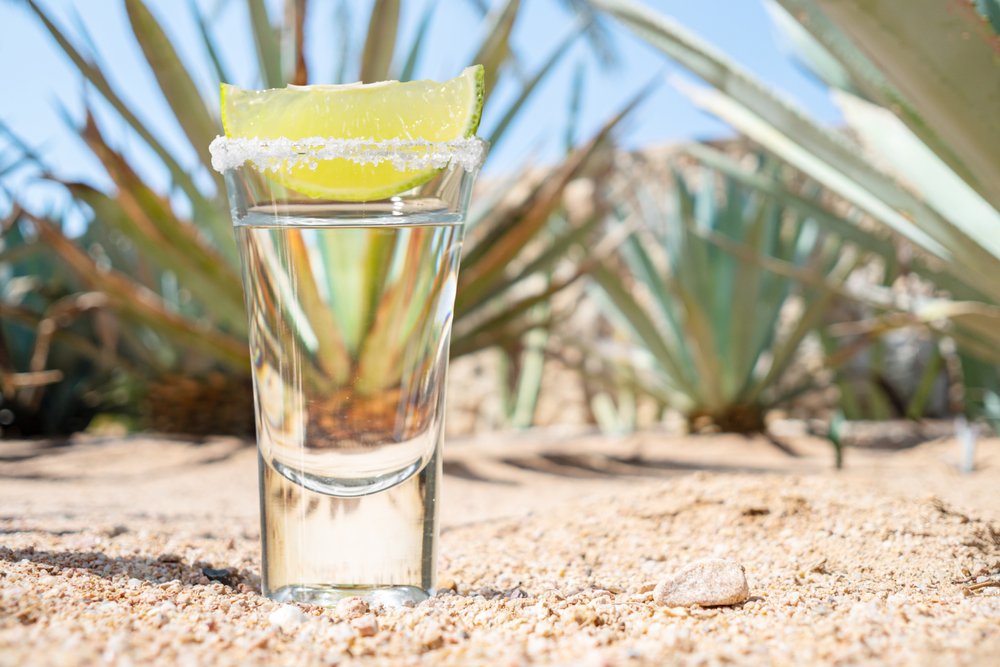
Agave spirits have spent decades building credibility in North American and European markets. That foundation is now creating momentum elsewhere. Emerging regions across Asia-Pacific, Latin America, the Middle East, and Africa are showing early but measurable interest in premium and artisanal agave spirits. For producers and distributors watching where category growth is headed, the signals are worth taking seriously.
Why Emerging Markets Are Opening Up Now
Several forces are converging to make agave spirits viable in markets where they had little presence even five years ago.
Rising middle-class incomes are expanding the pool of consumers who purchase premium imported spirits. That spending shift is particularly visible in Southeast Asia, where on-premise cocktail culture has developed quickly. Premium positioning is not a barrier in those markets. In many cases, it is an advantage.
Global cocktail culture has also spread through digital channels. Bartenders and enthusiasts in markets that had limited exposure to agave spirits are now familiar with margaritas, palomas, and mezcal cocktails through social media. That awareness creates demand before distribution infrastructure has fully caught up.
Clean-label and natural ingredient trends are global, not regional. Consumers in emerging markets are adopting wellness-oriented purchasing criteria at a faster rate than many established markets did at the same stage. Agave spirits fit cleanly into that positioning. They carry a natural origin story, geographic authenticity, and a flavor profile that reads as distinctive rather than generic.
Regional Profiles Worth Examining
Each emerging region presents a different opportunity profile. Understanding those differences helps brands allocate resources more effectively.
Asia-Pacific represents the largest near-term opportunity. Japan already has a developed premium spirits culture, and agave spirits are gaining traction there. South Korea, Australia, and urban markets in Southeast Asia are following. The on-premise channel drives initial adoption in this region, with retail following as awareness builds.
Latin America outside Mexico is an underserved opportunity. Agave spirits carry cultural resonance across the region. However, established local spirits categories create category competition. Brands entering these markets benefit from emphasizing craft production and certified organic credentials. Monitoring category-level sales data in emerging spirits segments helps producers identify which sub-markets are gaining traction before committing distribution resources.

The Middle East presents a niche but growing opportunity in non-restricted markets. Premium non-alcoholic and low-alcohol product development is accelerating across the region. Agave spirits with strong organic and natural certification credentials align with consumer preferences in those contexts.
Sub-Saharan Africa is earlier stage but worth watching. Urban centers in Nigeria, Kenya, and South Africa are developing premium spirits retail and on-premise channels. Distribution infrastructure remains limited, but the trajectory is positive.
The Operational Challenges of Entering Emerging Markets
Opportunity and accessibility are not the same thing. Emerging markets introduce operational challenges that established market experience does not automatically prepare a brand for.
Regulatory frameworks are one significant variable. Many emerging markets are still developing their frameworks for imported spirits classification, labeling, and distribution. Requirements can change with little notice. Brands that maintain thorough documentation practices adapt to those changes more readily. Strong supplier documentation also simplifies the customs clearance process in markets where import procedures are less standardized.
Distribution infrastructure is another constraint. Cold chain reliability, storage conditions, and transit times vary considerably. Agave spirits need to perform under those variable conditions without affecting flavor or stability. Sourcing from a supplier with consistent production standards reduces the risk of quality issues emerging after a long international transit.
Consumer education adds a third layer. In markets where agave spirits are new, on-premise training and point-of-sale communication matter more than in established markets. Brands that provide clear origin storytelling and serve suggestions build awareness faster. Certified organic and non-GMO credentials also carry weight with trade buyers in markets where those standards are less common but increasingly valued.
Private Label as an Entry Strategy
Private label provides a lower-risk path into emerging markets for distributors and retailers who want to test agave spirits demand without committing to a named brand. The economics are favorable. Margins are stronger. Entry can happen faster because brand-building investment is deferred.
The operational requirements are real, however. Consistent flavor across production batches is non-negotiable for private label. A product that varies between orders undermines the retailer's credibility rather than the supplier's. Building a private label agave spirits program around a vertically integrated supplier addresses that risk directly. When cultivation, distillation, and quality control happen under a single roof, batch consistency is far easier to guarantee.

Certification credentials also matter for private label in emerging markets. Retailers in those markets increasingly use USDA Organic, EU Organic, and Non-GMO verification as buyer signals. A private label product backed by those certifications competes more effectively against established imported brands than one without them.
How Supply Chain Positioning Affects Market Entry Speed
Speed matters in emerging markets. Early entrants build distribution relationships and brand recognition before competitors arrive. Supply chain readiness determines how quickly a brand can actually move.
Suppliers with U.S.-based warehouse inventory reduce lead times for brands distributing through North American intermediaries into emerging markets. That domestic availability also simplifies the compliance process for the initial export leg.
Separately, the shift among global manufacturers toward suppliers with stronger supply chain documentation reflects a broader recognition that procurement reliability is a competitive advantage. The same logic applies to spirits sourcing for emerging market entry.
How The Tierra Group Supports Emerging Market Agave Spirits Sourcing
The Tierra Group produces our 100% Blue Agave Spirits and Tequila at our vertically integrated facility in Capilla de Guadalupe, Mexico. Every product we supply carries USDA Organic, EU Organic, Non-GMO Project Verified, Vegan, Kosher, and Halal certifications. Those credentials travel well across regions and across trade buyer requirements.
Emerging markets move quickly. Having a supply partner with consistent product and complete documentation keeps pace with that speed. Contact us today.