
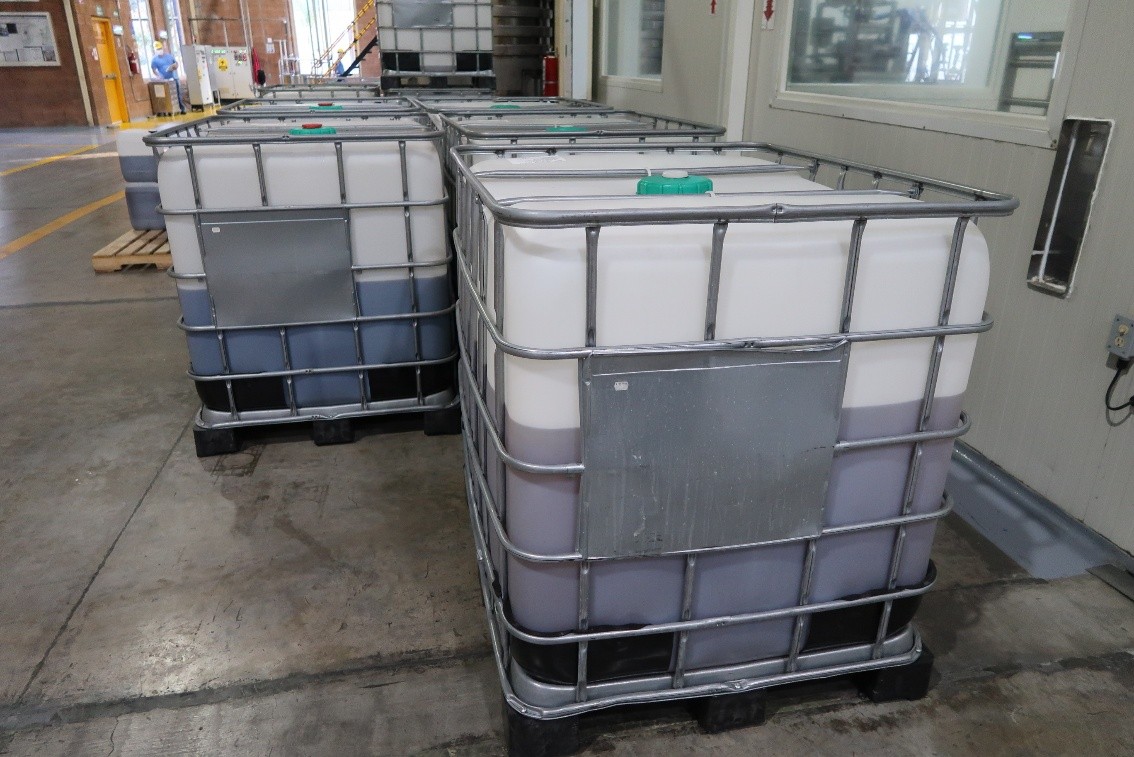
Liquid Agave Inulin for Large-Scale Food and Beverage Manufacturing
Fiber fortification has moved from a niche positioning play to a mainstream reformulation target, and at enterprise scale the constraint is rarely whether an ingredient works — it’s whether it works at 4,000 gallons a day without disrupting a line that’s already running.
For large scale manufacturers, liquid agave inulin is worth evaluating.
What Is Liquid Agave Inulin
Liquid agave inulin is prebiotic fiber extracted from Agave tequilana, purified and filtered, then concentrated by evaporation into a shelf-stable syrup. Commercial grades typically sit between 68 and 72° Brix, arriving as a clear tan liquid.
The fiber itself is a branched fructan, structurally distinct from the linear chicory inulin that dominates the category. Agave inulin offers higher solubility and a cleaner taste profile; both are meaningful advantages when you’re dosing at levels high enough to make a label claim.
Why the Liquid Format Suits High-Volume Operations
No dissolution step. Powdered fibers require hydration time, agitation, and careful addition to avoid clumping or fisheyes. Liquid inulin enters solution immediately.
Metering precision. If your plant already runs liquid ingredient systems, inulin syrup integrates with existing pumps, flow meters, and CIP protocols. No new handling infrastructure is needed.
No dust. Powder handling at volume means dust collection, containment, and an operator exposure conversation. Liquid eliminates all of it.
Continuous-line compatibility. For manufacturers running continuous rather than batch processes, a pumpable liquid is simply the format the line is built around.
Fiber Claims on the Nutrition Facts Panel
This is where the commercial value concentrates.
FDA recognizes inulin and inulin-type fructans as dietary fiber, meaning the fiber you add counts toward the total declared on the Nutrition Facts label. That wasn’t always the case, as several fibers were excluded in the 2016 labeling rule before FDA granted petitions in 2018.
With the Daily Reference Value for fiber set at 28 grams, the practical thresholds are:
- “Good source of fiber” — 2.8 g per serving (10% DV)
- “Excellent source of fiber” — 5.6 g per serving (20% DV)
For a beverage or dairy product, hitting the good-source threshold with a soluble, taste-neutral liquid fiber is a far easier reformulation than adding bulk fiber that wrecks mouthfeel.
Sugar Reduction and Texture Recovery
Removing sugar removes solids, and removing solids removes body. That’s the core reformulation problem, and inulin addresses it directly.
Liquid agave inulin contributes viscosity and mouthfeel while adding roughly 1.5 calories per gram and negligible glycemic load. It functions as a fat mimetic in reduced-fat dairy, restoring creaminess in yogurt, cultured drinks, and frozen desserts. It also carries mild inherent sweetness, which reduces how much sweetener you need to add back.
Clean-Label and Certification Positioning
Agave inulin is available in organic and non-GMO grades and holds GRAS status. On an ingredient panel it reads as a recognizable plant-derived fiber rather than a synthetic-sounding additive. This is relevant when your marketing team is defending a short ingredient list.
Best-Fit Applications
- Dairy and cultured drinks: yogurt drinks, kefir, cultured smoothies
- RTD functional beverages and juices
- Nutrition and meal-replacement shakes
- Reduced-fat dairy and frozen desserts
- Sauces, dressings, and liquid condiments
- Bakery glazes, fillings, and liquid-dosed systems
Procurement Realities at Scale
Three constraints worth considering before you commit:
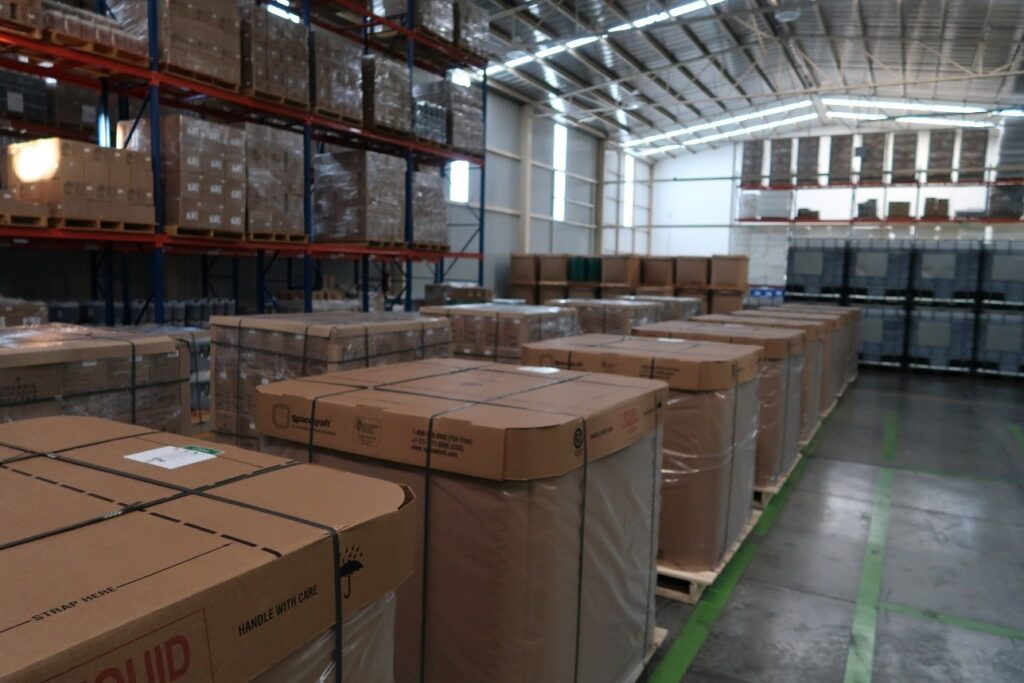
Shelf life. Liquid inulin runs roughly six months, against about three years for spray-dried powder. At enterprise inventory cycles, that’s a real planning constraint. Liquid inulin favors shorter-interval deliveries and tighter demand forecasting over bulk stockpiling.
Freight economics. At 68–72° Brix you’re shipping close to 30% water. Cost per pound of actual fiber delivered is higher than powder, and the gap widens with distance. For plants far from the supplier, that math can flip the decision.
Formulation limits. Inulin can produce haze in low-pH, high-Brix systems. In clear carbonated bases, run stability trials before locking in a dose.
When Powder Is the Better Choice
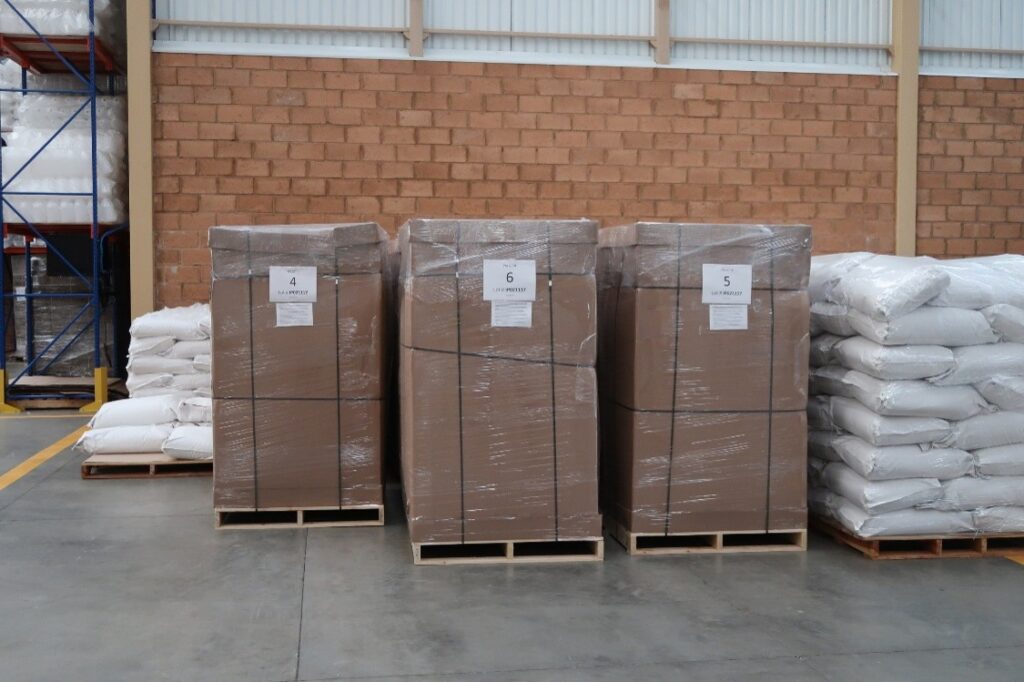
Choose spray-dried powder if you’re formulating dry mixes, bars, capsules, or cereals; if your inventory turns slowly; if you’re shipping long distances; or if you need maximum fiber concentration per unit of freight. Powder and liquid deliver identical fiber, choosing one over the other is reliant on the product and manufacturing facilities capabilities.
The Bottom Line
For large manufacturers running liquid processes, agave inulin syrup removes handling friction, enables defensible fiber claims under FDA’s recognized-fiber list, and solves the texture problem that sugar and fat reduction creates. Model the shelf-life and freight constraints honestly against your inventory cycle, and it’s a strong fit for many food and beverage products.
How To Start Using Liquid Inulin in Your Product Lineup
The Tierra Group specializes solely in agave ingredients. Liquid and powdered inulin are in stock and ready to ship to your manufacturing facility. Contact us for more information.