
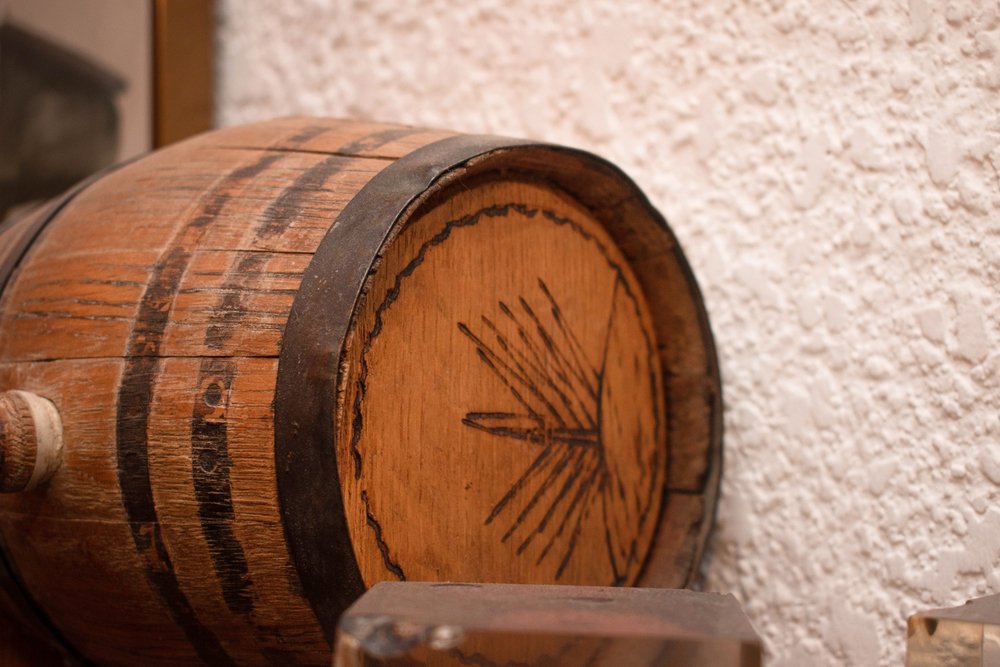
Consumer tastes shift with the calendar. What sells in December rarely mirrors what moves in July, and brands that tap into that rhythm tend to build deeper loyalty than those that don't. Agave wine has emerged as a compelling ingredient for producers looking to create time-sensitive offerings that feel genuinely distinctive. With a flavor profile that bridges the familiar sweetness of fermented fruit wines and the earthy complexity of traditional agave spirits, it opens a lane that few other base ingredients can match.
What Makes Agave Wine Different from Other Bases
To use agave wine effectively in product development, it helps to understand how it is made and what that process produces. Unlike distilled agave spirits such as tequila or mezcal, agave wine is a fermented product. The blue agave pina is slowly baked to release its sugars, the raw juice is extracted, and that juice is fermented without distillation. The result is a product that retains the natural sweetness and subtle vegetal notes of the agave plant in ways that distillation would typically drive off.
This matters for product formulation because the flavor base is softer and more approachable than a full-proof spirit. Agave wine typically sits around 20 ABV, placing it in a range that is neither as light as a standard wine nor as intense as a distilled spirit. That middle ground gives formulators considerable flexibility when layering complementary flavors, adjusting sweetness, or building a cocktail-ready RTD product.
Seasonal Flavor Pairings That Work
The flavor architecture of agave wine lends itself to seasonal layering. Its natural sweetness and mild agave character act as a neutral-yet-interesting backdrop that can be amplified or contrasted depending on the time of year. Several seasonal directions have shown strong commercial appeal:
- Spring and Summer: Citrus-forward profiles pair well with agave wine's softer sweetness. Blood orange, yuzu, hibiscus, and tropical fruit notes complement rather than compete with the base. These combinations perform well in canned cocktails, spritz formats, and ready-to-drink margarita-style beverages that see peak demand during warmer months.
- Fall: Spiced and warm flavor profiles translate naturally. Cinnamon, tamarind, smoked chili, and apple-forward blends create a seasonal shift that feels intentional and premium without requiring radical changes to the production process.
- Winter and Holiday: Rich, dessert-adjacent profiles including vanilla, caramel, or toasted oak work well for gift-oriented packaging and limited holiday releases. The sweetness of the agave base holds these additions in balance without becoming cloying.
These are starting points, not boundaries. The broader principle is that agave wine's inherent character is versatile enough to support bold creative directions without demanding that formulators fight against the base ingredient.
The Business Case for Agave Wine in Limited-Edition Lines
Limited-edition products serve purposes beyond novelty. From a margin standpoint, they command premium pricing that standard SKUs often cannot sustain. Consumers expect to pay more for something positioned as exclusive, seasonal, or time-sensitive, and that pricing power flows directly to the bottom line.
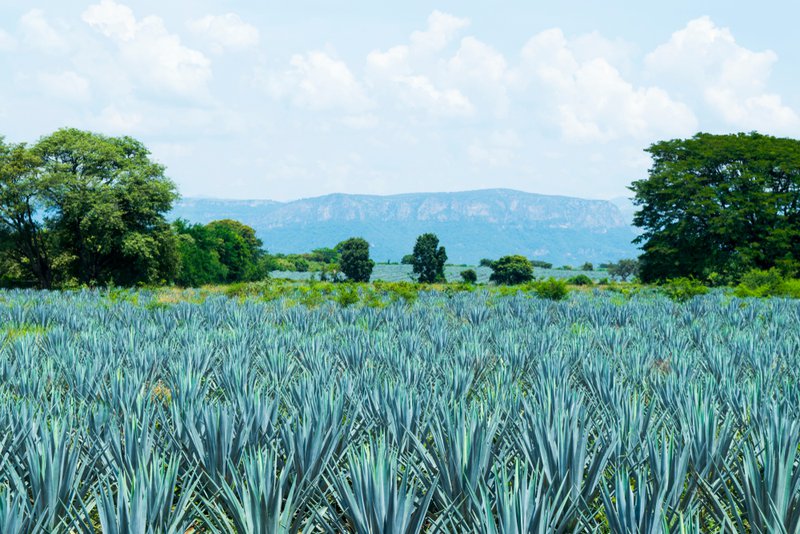
Agave wine supports this positioning in a few meaningful ways. First, it carries inherent story value. The ingredient originates from the blue agave plant, which has centuries of cultural history in Mexico and is grown in specific volcanic soils that contribute to its flavor. That provenance is marketing material that doesn’t need to be manufactured. Second, because agave wine occupies a less crowded category than tequila or even hard seltzer, a limited release built around it has a better chance of standing out at shelf level and in digital channels.
There is also a practical inventory argument. Sourcing agave wine in bulk allows producers to commit to a seasonal run without locking into the longer lead times and regulatory complexity associated with tequila procurement. Brands that want to move quickly on a trend or a limited window have more operational flexibility with agave wine than with many other premium bases.
Agave Wine in RTD and Cocktail Applications
The ready-to-drink category continues to grow, and agave-based RTD products have carved out a meaningful share within it. Agave wine is particularly well-suited to this format because its lower ABV simplifies the formulation work required to hit target alcohol levels, and its natural sweetness reduces the need for added sweeteners that can create off-notes over shelf life.
For cocktail applications at bars and restaurants, agave wine can function both as a standalone pour and as a cocktail modifier. A seasonal spritz built around agave wine and a house-made shrub, for example, offers the kind of menu distinction that drives repeat visits. Mixologists appreciate working with an ingredient that has genuine flavor complexity, and agave wine delivers that without requiring extensive back-of-bar training.
Private-label bottling is another avenue worth considering for brands that want a finished, shelf-ready product rather than a bulk ingredient. Working with a supplier that handles both bulk and private-label production removes several production steps and compresses the timeline from concept to market.
Sourcing Considerations
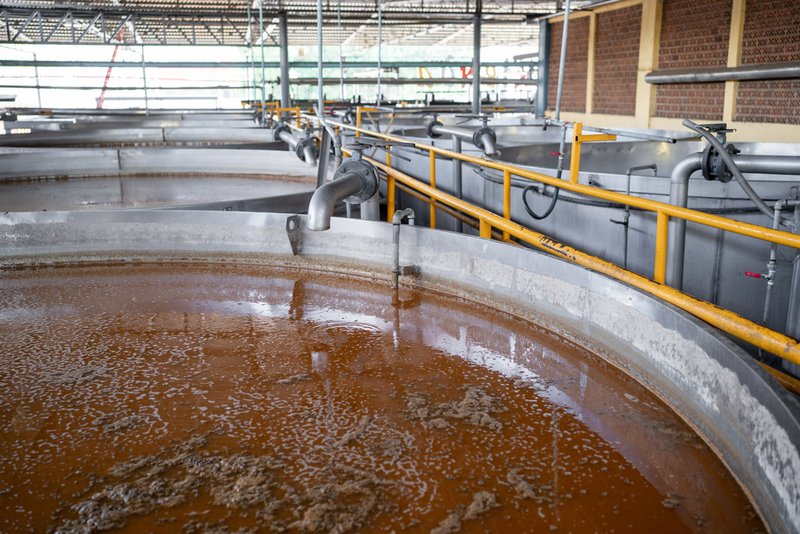
The quality of a finished seasonal product is only as good as the quality of its inputs. For agave wine, that means starting with a supplier whose production is vertically integrated, meaning they control the farming, harvesting, and processing of the agave rather than assembling the product from multiple third-party sources.
Vertical integration at the producer level translates into greater consistency across batches, which matters considerably when a limited-edition product is expected to deliver the same experience to every consumer who purchases it.
Additional sourcing factors worth evaluating include:
- Certifications: Organic, non-GMO, vegan, kosher, and halal certifications expand the eligible consumer base and reduce friction in retail and foodservice partnerships.
- Packaging format: Bulk availability in 1,000-liter totes streamlines logistics for producers working at scale, while private-label options serve brands that need a finished bottled product.
- Domestic warehouse access: Suppliers that stock product in U.S.-based warehouses offer shorter lead times and lower freight risk, which is especially valuable when working against a seasonal launch deadline.
- Country of origin: For agave wine specifically, producers should verify whether the product is produced domestically or abroad, as labeling requirements and import logistics differ accordingly.
Establishing a reliable supply relationship before a seasonal launch window opens is one of the most important steps a brand can take to protect both quality and timeline. Chasing supply after a product is already committed to retail shelves or on-premise menus creates avoidable risk.
How The Tierra Group Supports Agave Wine Product Development
Here at The Tierra Group, we produce our Bluava Agave Wine at our vertically integrated facility in Capilla de Guadalupe, Mexico, where we manage every stage of production, from planting and harvesting to processing and packaging. Our agave wine is available in 1,000-liter bulk totes at 20 ABV and is currently stocked for ready availability. We also offer private-label bottling for brands that need a finished product ready for distribution.
Seasonal and limited-edition product development moves fast. Having the right supply partner in place before the window opens makes the difference between a successful launch and a missed opportunity. Reach out to our team to discuss how our agave wine can fit into your next product line.