
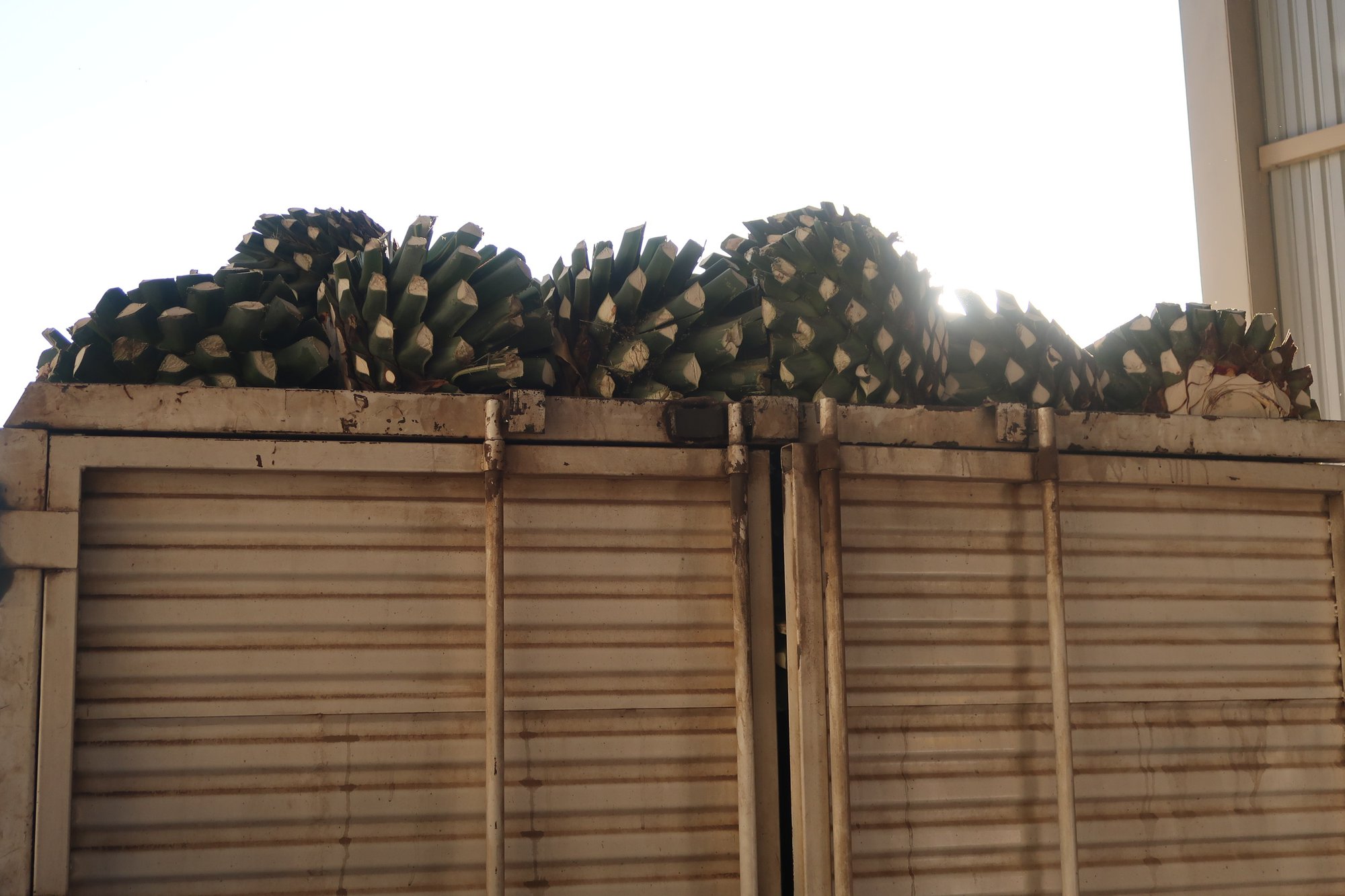
A kilogram of raw agave has traded anywhere between roughly $0.30 and $1.80 over the past several years, and that swing alone explains why sourcing agave syrup requires more planning than most sweetener categories. Food and beverage brands building formulations around agave syrup are discovering that supply stability depends on factors most procurement teams never had to track before, from planting cycles in Jalisco to shifting global demand for tequila. Understanding those forces gives brands a real advantage when negotiating supply agreements and forecasting costs.
What Drives Global Supply of Agave Syrup
Blue agave takes between six and eight years to mature, and that long growth cycle shapes every part of the supply chain. Farmers plant based on expectations of future demand rather than current market signals, which means today's harvest reflects decisions made nearly a decade ago. When those expectations run ahead of actual demand, the market ends up with a surplus. When they fall short, prices climb quickly and stay elevated until new plantings catch up.
That cycle has played out dramatically over the past several years. Agave prices reached a high of roughly $1.80 per kilogram during a period of intense demand, then dropped to about $0.30 per kilogram once the plants from that planting wave matured and created an oversupply. Brands that locked in supply agreements during the price spike often paid far more than those who negotiated after the correction. That kind of volatility is exactly why forward planning matters so much in this category.

Geography adds another layer of concentration risk. For instance, by the end of the 2023 agricultural cycle, more than 214,000 hectares of blue agave had been planted across 231 municipalities in twelve states, with 98 percent of that cultivated area concentrated in just five states. That kind of concentration means a single weather event, disease outbreak, or land-use shift in one region can ripple through the entire global supply chain.
Recent Signs of Market Stabilization
The picture has improved somewhat heading into 2026. Industry analysts have noted that agave supply has moved toward more stable pricing after years of panic buying and speculative planting. That stabilization gives buyers more room to plan multi-year sourcing strategies instead of reacting to short-term price spikes.
Still, the underlying agricultural cycle has not disappeared. Planted acreage increased by 167 percent between 2014 and 2023, and much of that agave is only now reaching maturity. Brands sourcing agave syrup should expect continued fluctuation as that supply works its way through the market, even if the extreme swings of recent years have eased.
Demand Pressures Reshaping Availability
Agave syrup does not compete for raw material in isolation. Tequila and mezcal producers rely on many of the same agave-growing regions and agricultural resources, creating competition across the broader agave supply chain. After years of rapid expansion, tequila remains one of the spirits industry's strongest-performing categories, although growth has moderated from its earlier pace.
Even with that slowdown, agave spirits continue to outperform many other distilled spirits categories globally. That demand pulls agave away from syrup and inulin production whenever spirits producers are willing to pay a premium for it.
Several factors currently shape how much agave syrup reaches food and beverage manufacturers each year:
- Competing demand from tequila and mezcal producers for the same raw agave
- Multi-year planting cycles that delay supply response to price signals
- Regional concentration of cultivation in a handful of Mexican states
- Growing scrutiny around land use and deforestation tied to agave expansion
Brands that track these pressures alongside their own formulation needs are better equipped to lock in supply before shortages hit. Ignoring them tends to mean discovering a shortfall only after it has already affected production.
Sustainability and Land Use Concerns
Agave cultivation has also drawn attention for its environmental footprint. Mexico loses roughly 180,000 hectares of forest annually, and agave plantations have been identified as one of the contributing factors behind that deforestation. Some Mexican states have introduced sustainability certifications aimed at limiting further forest loss tied to agave expansion.

For food brands, this matters beyond compliance optics. Retailers and consumers increasingly expect transparency around sourcing practices, and suppliers who can demonstrate responsible land management give their buyers a stronger position when marketing finished products. Brands sourcing agave syrup should factor sustainability credentials into supplier evaluation, not treat it as a secondary consideration.
Building a More Resilient Sourcing Strategy
Given these dynamics, brands relying on agave syrup benefit from moving away from spot-market purchasing whenever possible. Locking in multi-year agreements with suppliers who control their own cultivation reduces exposure to the price swings that come with the planting cycle. It also provides more predictable volume during periods when tequila demand is pulling heavily on the broader agave supply.
The Tierra Group approaches agave syrup sourcing with these realities built into its operations from the start. As a vertically integrated supplier based in Capilla de Guadalupe, Mexico, we manage cultivation, extraction, and processing under one roof, which allows us to offer Bluava® agave syrup with more predictable availability than buyers typically find through fragmented sourcing.
Our U.S. sales office and domestic warehouse further reduce lead time for manufacturers who need reliable volume regardless of what the broader market is doing. Contact our team today to discuss a sourcing strategy built for long-term stability.