
Agave wine vs. tequila represent two unique agave-based beverages with distinct production and flavor profiles. Moreover, both products come from blue agave, yet fermentation and distillation processes differ significantly. Consequently, choosing between them requires understanding technical production, regulatory factors, and culinary applications effectively.
Producers face challenges sourcing authentic ingredients while maintaining quality and flavor consistency across batches. Operational efficiency and reliable ingredients directly influence product development, cocktail consistency, and consumer satisfaction. Therefore, comprehensive knowledge of agave wine vs. tequila enables strategic decisions for beverage programs and menu innovation.
How Do Production Methods Differ Between Agave Wine and Tequila?
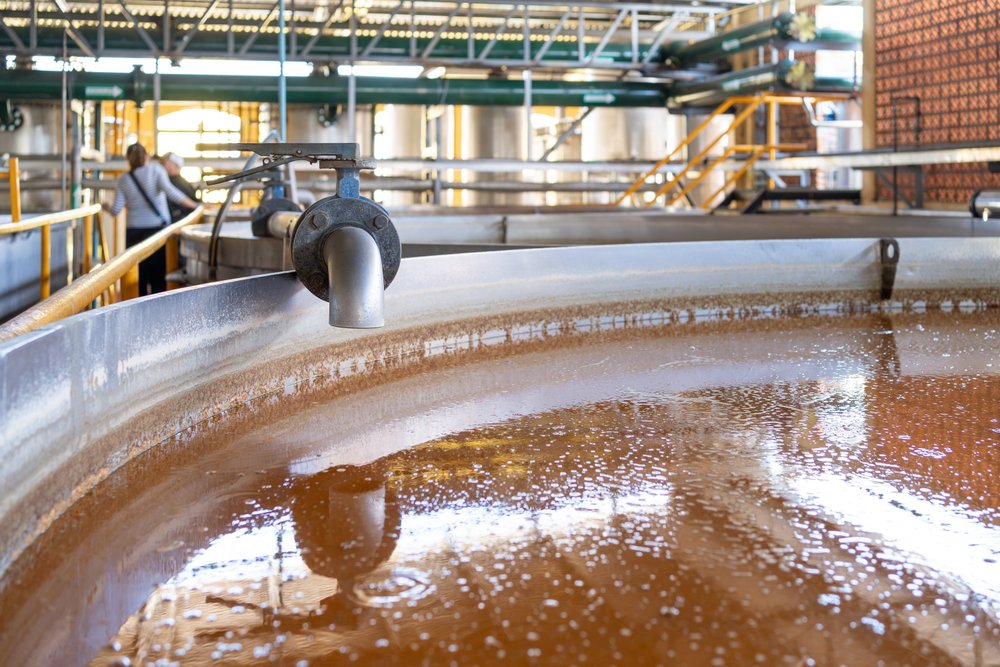
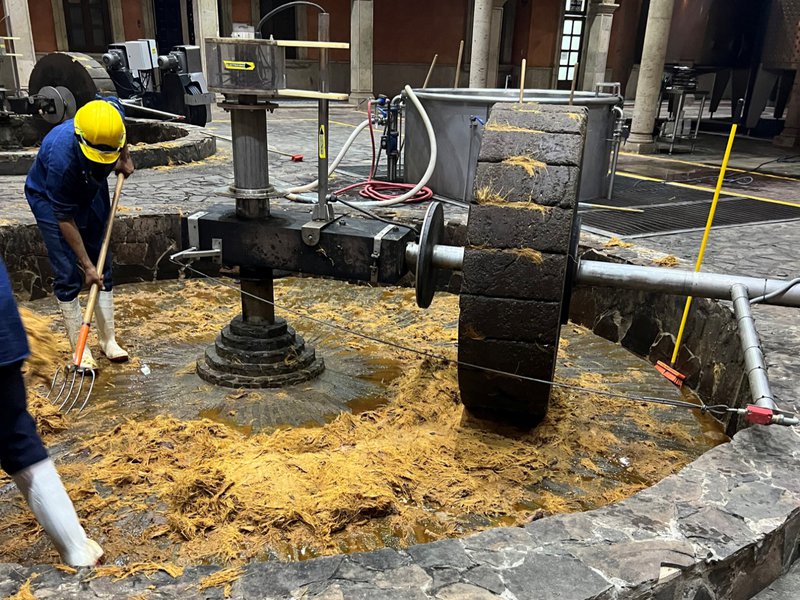
Agave wine vs. tequila differ mainly in fermentation and distillation, creating unique alcohol levels and flavors. Particularly, agave wine is fermented without distillation, preserving natural sugars and subtle floral characteristics. In contrast, tequila undergoes cooking, fermentation, and distillation, which concentrates alcohol while altering the agave’s original flavor.
Furthermore, mixto tequila allows producers to combine agave with other fermentable sugars for higher scalability. Companies increasingly rely on bulk mixto tequila to achieve consistent flavor while maintaining predictable production performance efficiently. As a result, sourcing choices influence operational efficiency, regulatory compliance, and overall quality in beverage production programs.
Agave wine production supports high-volume beverage programs with fermentation bases tailored for cocktails. Large-scale agave wine production allows brands to maintain consistency across batches while enhancing flavor profiles efficiently. Proper planning ensures predictable performance, reduces reformulation needs, and minimizes workflow disruptions in operations.
Flavor Profiles, Aroma, and Functional Applications in Agave Wine vs. Tequila
Evaluating agave wine vs. tequila helps brands understand differences in sweetness, aroma, and flavor complexity effectively. Notably, agave wine delivers lighter, sweeter profiles with floral and herbal notes, enhancing delicate cocktails. Conversely, tequila provides earthy, caramelized, and smoky flavors suitable for stronger drinks or culinary reductions.
For instance, cocktails with agave wine emphasize subtle sweetness and smooth mouthfeel, complementing delicate mixers seamlessly. Similarly, tequila-based beverages offer depth and intensity when combined with citrus, bitters, or fresh herbs. Understanding these differences allows mixologists to select ingredients aligning with intended sensory experiences confidently.
Functional applications extend beyond beverages, including sauces, desserts, and marinades to impart subtle sweetness naturally. Likewise, tequila enhances savory dishes, such as glazes, flambés, and reductions requiring concentrated flavor extraction. Adhering to agave wine regulations ensures safe, reliable ingredient sourcing across regions and operations.
Legal and Packaging Considerations for Agave-Based Products
Regulatory frameworks vary between agave wine and tequila, affecting labeling, documentation, and import compliance significantly. Particularly, tequila must adhere to Denomination of Origin standards and alcohol content regulations for authenticity. Consequently, proper compliance impacts operational planning, supplier selection, and market strategy for beverage programs efficiently.
Agave wine follows a different classification system, requiring documentation for fermented beverages and tax reporting compliance. Therefore, strategic planning ensures minimal legal risk while maintaining consistent quality for all production batches. Additionally, suppliers can provide guidance to navigate regional and international regulatory frameworks effectively.
Packaging considerations influence product stability, shelf life, and consumer perception, requiring proper container selection. Meanwhile, glass or PET bottles with controlled closures prevent oxidation and preserve original flavor characteristics. Brands should evaluate packaging early during production planning to ensure optimal delivery and presentation standards.
Mixology and Culinary Applications for Optimal Results
Agave wine and tequila provide distinct flavor profiles, offering multiple opportunities for mixology and culinary innovation. For instance, both ingredients enhance beverages and recipes differently, allowing precise flavor control and creative experimentation. Understanding applications ensures consistent results during cocktail preparation and culinary recipe development.
Identifying pairings and techniques can elevate beverage programs and create distinctive culinary offerings efficiently. Practical strategies include the following uses for agave wine and tequila:
- Light cocktails with agave wine paired with citrus juices, mild syrups, and floral bitters.
- Tequila-based drinks enhanced with smoked salts, fresh herbs, and aromatic garnishes.
- Culinary glazes and reductions that integrate agave wine to impart balanced sweetness.
- Savory dishes using tequila for marinades, flambés, or sauces requiring concentrated flavor.
- Dessert applications combining agave wine or tequila with fruits, chocolate, or caramel notes.
Furthermore, leveraging these applications ensures brands optimize agave wine vs. tequila for flavor and menu innovation. Similarly, careful selection enhances mixology and culinary programs across diverse beverage and food experiences. Proper planning and execution provide predictable results while maintaining operational efficiency in all beverage or culinary programs.
Sourcing and Supplier Selection for Agave Wine vs. Tequila
Reliable sourcing directly impacts beverage program success, reducing variability and streamlining workflows across production sites efficiently. Particularly, partnering with suppliers providing technical guidance ensures predictable performance and minimal reformulation requirements. In agave wine vs. tequila enables confident scaling without compromising flavor integrity.
Ingredient traceability and production insight support compliance with regional and international standards, mitigating risk effectively. Moreover, companies benefit from suppliers offering documentation, shipment logistics, and regulatory expertise for operational stability. As a result, strong vendor relationships create confidence and stability for beverage or culinary programs.
Selecting premium agave sources enhances consumer satisfaction, menu differentiation, and brand perception effectively. Likewise, high-quality ingredients provide functional benefits, including optimized mouthfeel, solubility, and flavor extraction. Expert guidance ensures confidence in agave wine or spirits selection for brands pursuing consistent operations.
Strategic Ingredient Decisions for Beverage Innovation
Evaluating agave wine vs. tequila requires deep understanding of production methods, flavor outcomes, and regulatory frameworks. Brands can optimize mixology and culinary applications by aligning product selection with operational goals and consumer expectations. Making informed ingredient choices reduces risk while maximizing consistency, quality, and menu impact.
Partnering with experienced suppliers provides high-quality agave wine and tequila while ensuring compliance. Expert guidance allows businesses to innovate confidently while maintaining consistent flavor and operational efficiency. The Tierra Group supports brands with integrated solutions for premium agave wine and spirits, contact us today.