
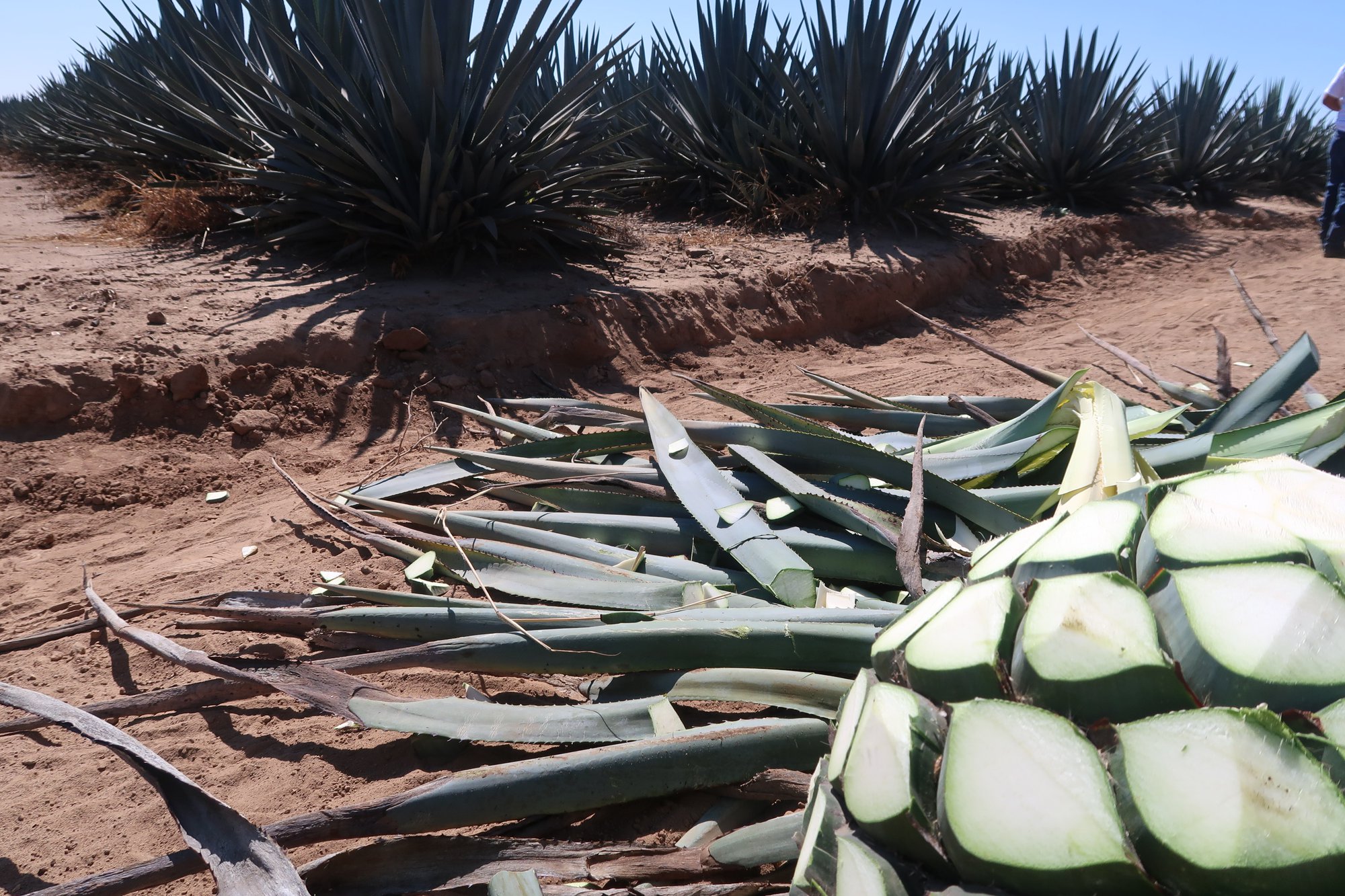
A premium beverage begins long before ingredients arrive at a production facility. Every stage of agave production influences quality, consistency, and the long-term availability of raw materials, making sustainability an increasingly important consideration for beverage brands. As consumer expectations and supply chain challenges continue to evolve, responsible production practices have become an essential part of ingredient sourcing.
Sustainability extends beyond environmental initiatives. It also includes agricultural stewardship, resource management, supply chain transparency, and production practices that support reliable ingredient quality over time. Beverage manufacturers that understand these factors are better positioned to build resilient supply chains while maintaining the standards consumers expect.
Sustainable Agave Production Starts in the Field
The foundation of every agave ingredient lies in the cultivation process. Blue Agave requires several years to mature, making long-term planning critical for growers and manufacturers alike. Decisions made during cultivation directly influence future harvests and the overall stability of ingredient supplies.
Responsible farming practices help maintain healthy soil, support biodiversity, and encourage efficient land use. Careful crop management also promotes healthier plants that consistently produce high-quality raw materials. These practices contribute to more reliable harvests while helping preserve agricultural resources for future production.
Long-term cultivation strategies are especially important because agave cannot be produced on short timelines. Sustainable planning allows producers to balance current market demand with future supply needs, reducing the likelihood of shortages that can disrupt beverage manufacturing.
Resource Management Supports Long-Term Supply
Water, energy, and agricultural inputs all play important roles throughout agave cultivation and processing. Efficient resource management helps producers reduce waste while maintaining product quality and operational efficiency.

Modern production facilities continue investing in technologies that improve water conservation and energy efficiency without compromising manufacturing standards. These improvements can lower environmental impacts while creating more resilient operations capable of supporting growing demand.
Manufacturers evaluating suppliers often benefit from understanding how these operational practices contribute to long-term supply reliability. A producer committed to continuous improvement is often better equipped to maintain consistent output during changing market conditions.
Traceability Strengthens Sustainability Efforts
Sustainability is closely connected to transparency throughout the supply chain. Beverage manufacturers increasingly seek suppliers that can provide documentation showing where ingredients originate and how they are produced.
Complete traceability allows companies to verify production practices, support quality assurance programs, and respond more effectively to regulatory requirements. It also helps strengthen consumer confidence by providing greater visibility into ingredient sourcing.
Working with suppliers that oversee multiple stages of production can simplify traceability. When cultivation, processing, packaging, and distribution are managed within an integrated operation, maintaining documentation and quality standards becomes more efficient.
Consistency Matters Alongside Environmental Responsibility
Environmental stewardship is important, but manufacturers must also maintain consistent product performance. Sustainable production practices should support dependable ingredient specifications across every shipment rather than introducing unnecessary variability.
For beverage companies, consistency affects everything from flavor and fermentation performance to processing efficiency. Reliable ingredient characteristics help maintain production schedules while reducing the need for formulation adjustments.
Suppliers that invest in quality control throughout production often achieve both sustainability and consistency. These two objectives complement one another by reducing waste, improving operational efficiency, and supporting predictable manufacturing outcomes.
Certifications Demonstrate Commitment to Quality
Third-party certifications provide valuable assurance that production processes meet recognized standards. While certifications alone do not define sustainability, they help demonstrate a producer's commitment to responsible operations and quality management.
Depending on the product and market, manufacturers may seek ingredients supported by certifications such as USDA Organic, Non-GMO, Kosher, Halal, Vegan, or internationally recognized food safety standards. These certifications can simplify procurement decisions while supporting product positioning in competitive markets.
Documentation also helps manufacturers navigate customer requirements and regulatory expectations. Suppliers that maintain current certifications provide additional confidence throughout the sourcing process.
Vertical Integration Creates Greater Supply Chain Stability
Supply chain disruptions have highlighted the importance of working with partners that maintain greater control over production. Vertically integrated operations provide visibility across cultivation, processing, packaging, and logistics, reducing dependence on multiple independent suppliers.

This level of integration often improves communication, quality oversight, and inventory planning. It also enables producers to respond more effectively to changing market conditions while maintaining reliable deliveries.
For beverage manufacturers planning long-term product launches, supply chain stability can be just as valuable as ingredient quality. Reliable sourcing helps reduce uncertainty and supports more accurate production forecasting.
Sustainability Supports Innovation
As beverage categories continue expanding, manufacturers require ingredient partners capable of supporting both innovation and operational excellence. Sustainable production practices contribute to this goal by creating a dependable foundation for new product development.
Whether developing premium spirits, ready-to-drink beverages, or functional drinks, manufacturers benefit from ingredients produced through responsible agricultural and manufacturing practices. Sustainable sourcing helps protect future ingredient availability while supporting consistent product quality across evolving formulations.
Companies that prioritize sustainability today are also preparing for future consumer expectations. As transparency and environmental responsibility continue gaining importance, responsibly produced ingredients can strengthen both product development and brand reputation.
Building Long-Term Success Through Responsible Sourcing
Sustainability has become an important consideration throughout the beverage industry because it influences quality, supply reliability, operational efficiency, and long-term business resilience. Evaluating production practices alongside ingredient performance allows manufacturers to make sourcing decisions that support both current operations and future growth. Working with suppliers that prioritize transparency, consistency, and responsible resource management helps create stronger partnerships that deliver lasting value.
At The Tierra Group, we oversee our agave ingredients through vertically integrated production that emphasizes quality, traceability, and responsible manufacturing practices. Our team is committed to supplying premium agave products such as Bluava® agave syrup, Fiber-Blu® agave inulin, and agave spirits that help beverage manufacturers build dependable supply chains while supporting long-term innovation.
Contact us today to learn how our agave ingredient solutions can support your production goals.