

Most distilleries built their identity around a core spirit. Whiskey, rum, gin, vodka. The production infrastructure, the licensing, and the brand story all grew around that foundation. Agave wine does not ask distilleries to abandon any of it. It asks them to extend it. For operations already familiar with fermentation, agave wine is a natural adjacent product that opens new market segments, appeals to a broader consumer base, and adds meaningful depth to an existing portfolio.
Why Agave Wine Makes Sense for Distilleries Specifically
Distilleries have a natural head start on agave wine production. Fermentation expertise, quality control systems, and licensed production facilities are already in place. The gap between what a distillery already does and what agave wine requires is smaller than it appears from the outside.
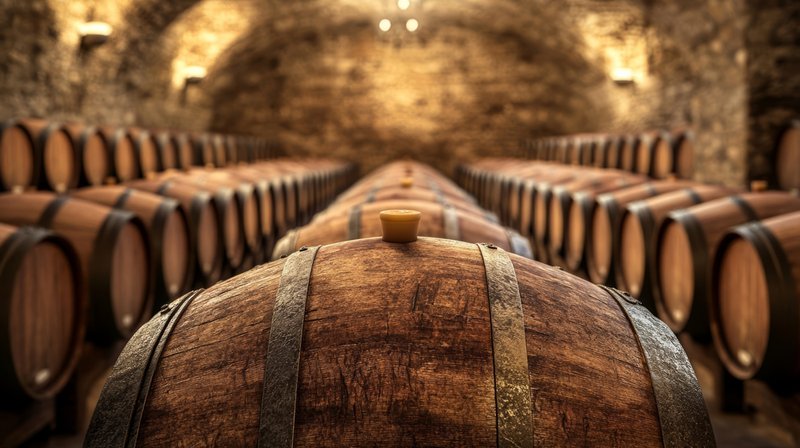
Agave wine is produced through fermentation, not distillation. That means distilleries can produce it within existing infrastructure without the capital investment that an entirely new spirit category would demand. It also sits at a lower ABV than most distilled products. That positions it squarely within the growing consumer demand for flavorful, lower-alcohol options.
There is also a compliance advantage. Distilleries already navigate TTB requirements, labeling standards, and state distribution regulations. Adding an agave wine SKU to that compliance framework is more efficient than it would be for a producer entering the regulated beverage space for the first time.
What Agave Wine Adds to a Portfolio
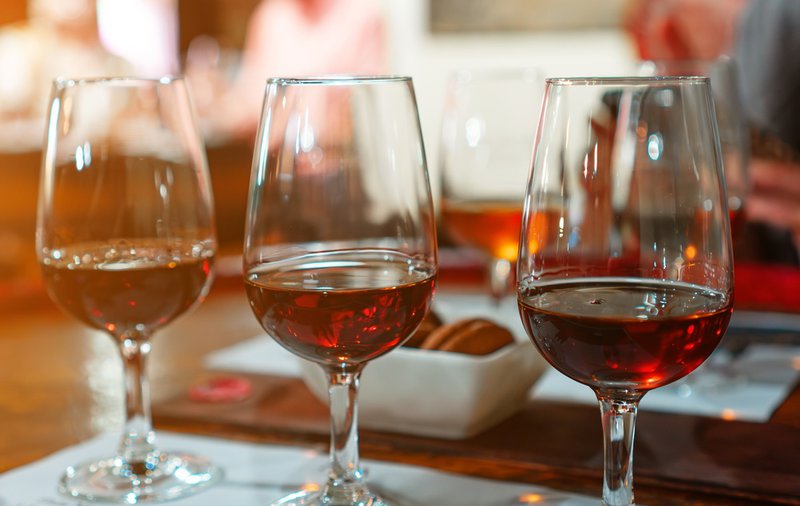
Agave wine opens shelf space that most distillery portfolios do not currently occupy. It sits in the fermented beverage category rather than the spirits category. That distinction matters at retail and on-premise. It allows distilleries to reach consumers who actively choose lower-ABV products without crossing into spirits territory.
The flavor profile is genuinely differentiated. Agave wine carries earthy, subtly floral, and lightly sweet notes. Those characteristics set it apart from grape wine and hard cider. They also make it a versatile base for RTD development. Distilleries with existing RTD programs can use agave wine to create lower-alcohol line extensions that feel premium rather than reduced.
Beyond beverages, agave's culinary versatility is well established. The same plant that produces agave wine also produces syrup, inulin fiber, and spirits. The range of applications agave supports across food and beverage categories signals that distilleries building around it are working with a category that has sustained commercial traction, not a passing trend.
Practical Steps for Adding Agave Wine to Production
The integration process has a few distinct phases. Each one is manageable when approached in the right sequence.
Sourcing the base product. Distilleries can either produce agave wine in-house using fermented agave juice or source it in bulk from a certified supplier. Bulk sourcing is the more practical starting point. It allows the team to evaluate consumer response and refine formulations before committing to in-house production infrastructure.
Regulatory alignment. TTB labeling requirements for agave wine differ from those for distilled spirits. Alcohol content, country of origin, importer information, and ingredient disclosure all need to reflect the specific product category. Most distilleries already have compliance workflows that can be adapted. The key is confirming that the agave wine is correctly classified and that label copy is reviewed before the first production run.
Formula development. Agave wine works well on its own, but it also blends effectively with fruit juices, botanicals, and natural flavors. Distilleries with R&D teams will find that agave's compatibility with other natural ingredients gives formulators a wide creative range. A still agave wine, a sparkling agave wine, and a flavored agave wine RTD can each occupy a distinct consumer occasion with minimal additional production complexity.
Brand positioning. Agave wine benefits from clear origin storytelling. The Blue Weber agave plant, its Mexican heritage, and its fermentation-based production all carry genuine authenticity. That story resonates with consumers who are drawn to craft and provenance. Distilleries with established brand equity can transfer that credibility to an agave wine extension with relatively little positioning investment.
Addressing the Competitive Angle
The agave wine category is less crowded than agave spirits. That creates real first-mover advantage for distilleries willing to move now. Retailers and on-premise buyers are actively looking for differentiated low-to-mid ABV products to fill assortment gaps. A distillery-produced agave wine, backed by certified organic sourcing and a recognizable brand, has strong placement potential in both channels.
Consumer education is lower friction than many distilleries expect. Agave is well known. Its properties beyond sweetness are increasingly familiar to health-conscious shoppers. Connecting agave wine to that existing awareness shortens the path from shelf curiosity to purchase. The fermented origin story is also simple to communicate. It does not require technical explanation. It requires authenticity.
How The Tierra Group Supports Distilleries Adding Agave Wine
The Tierra Group supplies certified bulk agave wine to distilleries building out their product lines. We also supply Bluava® Agave Syrup and 100% Blue Agave Spirits to distilleries that want to develop agave-forward cocktail programs alongside their wine offerings. Our U.S. sales team and DSP warehouse support efficient domestic sourcing. We work directly with production teams on volume planning, documentation, and compliance preparation.
Adding agave wine to your product line is a strategic move worth exploring now. Connect with us and talk to our team to get started.