
Competition in food and beverage manufacturing has never been more ingredient-driven. Consumers read labels. They research sourcing. They make purchasing decisions based on values that did not factor into buying behavior a decade ago. Manufacturers who responded to that shift early built meaningful advantages.
Those still working with conventional ingredient playbooks are feeling the pressure. Agave products have emerged as one of the more reliable tools for manufacturers looking to differentiate without compromising on production practicality.
What Agave Products Bring to a Modern Manufacturing Strategy
Agave's competitive value is not tied to a single product or a single category. That versatility is part of what makes it strategically useful.
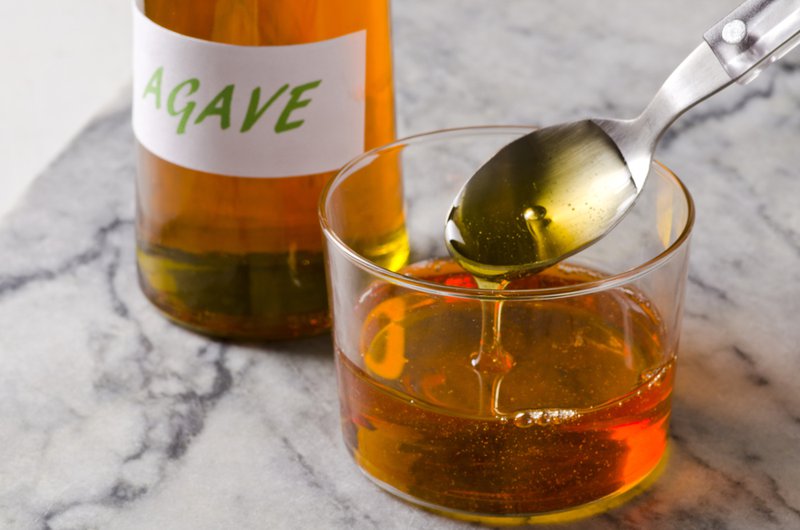
- Agave syrup addresses the clean-label sweetener gap. Consumers are moving away from high-fructose corn syrup and heavily processed sugar alternatives. Agave syrup is plant-based, naturally derived, and carries a lower glycemic index than refined sugar. It is also approximately 1.5 times sweeter, which means manufacturers can use less of it to achieve the same sweetness level. That efficiency directly supports cost and calorie reduction without reformulation complexity.
- Agave inulin addresses the functional ingredient gap. Prebiotic fiber demand is growing across categories from beverages to nutrition bars. Agave inulin delivers that functionality with clean sourcing credentials and strong compatibility across formulations.
- Agave wine addresses the low-alcohol innovation gap. The category is growing quickly. Consumers want flavorful, lower-ABV options with an authentic story behind them. Agave wine delivers a distinctive fermented profile that blends well with fruits, herbs, and spices. It creates real differentiation on the shelf.
Agave spirits address the premium positioning gap. RTD cocktails, craft spirits, and on-premise menus are all trending toward agave. Sourcing certified organic agave spirits gives manufacturers and brand owners a credible foundation for premium claims.
Staying Ahead on Clean-Label Demand
Clean-label is no longer a niche positioning strategy. It has become a baseline expectation in most food and beverage categories. Manufacturers who cannot meet it lose shelf space. Those who meet it well gain it.
Agave products fit cleanly into that standard. They are plant-based, minimally processed, and free from artificial additives. USDA Organic, EU Organic, and Non-GMO certifications give manufacturers documentation to support label claims at retail and in trade. Those certifications also simplify compliance in international markets where clean-label requirements are tightening.
The sweetener category is where this shift is most visible. Manufacturers switching from conventional sweeteners to agave syrup are responding to retailer requirements, consumer pressure, and labeling regulation simultaneously. Agave syrup meets all three without requiring major reformulation investment.
Agave Wine as a Competitive Differentiation Tool
Agave wine deserves particular attention as a competitive tool. It remains underdiscovered relative to agave spirits, which means manufacturers who build around it now are ahead of the trend rather than catching up to it.
Its flavor profile is genuinely distinctive. It carries earthy, floral, and subtly sweet notes that sit differently from grape wine or hard cider. Those characteristics make it a flexible base for RTD innovation, culinary applications, and lower-alcohol cocktail development. Scaling agave wine production for large-format manufacturing is straightforward when the supply relationship is built around consistent fermentation standards and reliable bulk availability.
The bulk sourcing model is particularly practical for manufacturers at volume. It reduces per-unit cost, simplifies inventory planning, and supports faster response to seasonal demand cycles. It also allows R&D teams to experiment with formulations at scale without the constraints of small-format purchasing.
Operational Factors That Determine Competitive Positioning
Differentiation through agave products is only sustainable when the supply chain behind it is reliable. A compelling ingredient story falls apart quickly if shipments are inconsistent or documentation is incomplete. Several operational factors matter here:
- Batch consistency directly affects formula reliability. Manufacturers building products around agave syrup, inulin, or spirits need incoming ingredient specifications to be stable. Suppliers who control their own production chain from cultivation to packaging deliver tighter consistency than those assembling from third-party sources.
- Certification maintenance protects label claims over time. Certifications need to be current and traceable to the specific batch in a shipment. Expired or non-batch-specific certificates create compliance exposure that is difficult to manage at scale.
- Documentation readiness affects speed to market. Customs clearance, TTB approval, and retail compliance all depend on clean, complete paperwork from the supplier. Manufacturers whose suppliers provide complete documentation on every order move faster than those managing documentation gaps reactively.
- Domestic availability reduces lead time risk. Suppliers with U.S. warehouse inventory give manufacturers a shorter supply chain for domestic production runs. That availability matters most when launch timelines are tight or demand spikes unexpectedly.

Evaluating Agave Products Through a Buyer's Lens
The procurement decision for agave products should be evaluated differently from conventional commodity sourcing. Buyers assessing agave wine for food and beverage applications need to look beyond price per unit. Flavor consistency, fermentation standards, certification status, and supplier documentation all feed directly into the total cost of sourcing. A lower unit price that comes with inconsistent batches and incomplete compliance records is more expensive in practice than a higher price with reliable performance.
The same logic applies across the agave product range. Bulk agave wine procurement works best when the supplier relationship is built around shared production planning, not just transactional orders. That relationship is what keeps supply aligned with production schedules as volume scales.
How The Tierra Group Supports Competitive Agave Sourcing
The Tierra Group produces its full range of agave products at a vertically integrated facility in Capilla de Guadalupe, Mexico. Our product portfolio includes Bluava® Agave Syrup, Fiber-Blu® Agave Inulin, Agave Wine, and 100% Blue Agave Spirits.
Because we control the production process from cultivation through packaging, we can maintain consistent quality across every stage. Our U.S. sales team and DSP warehouse support manufacturers with documentation, inventory planning, and lead-time management.
Remember, staying competitive often starts with the right ingredient strategy. Learn how our agave products can support your food and beverage manufacturing goals. Contact us today.