
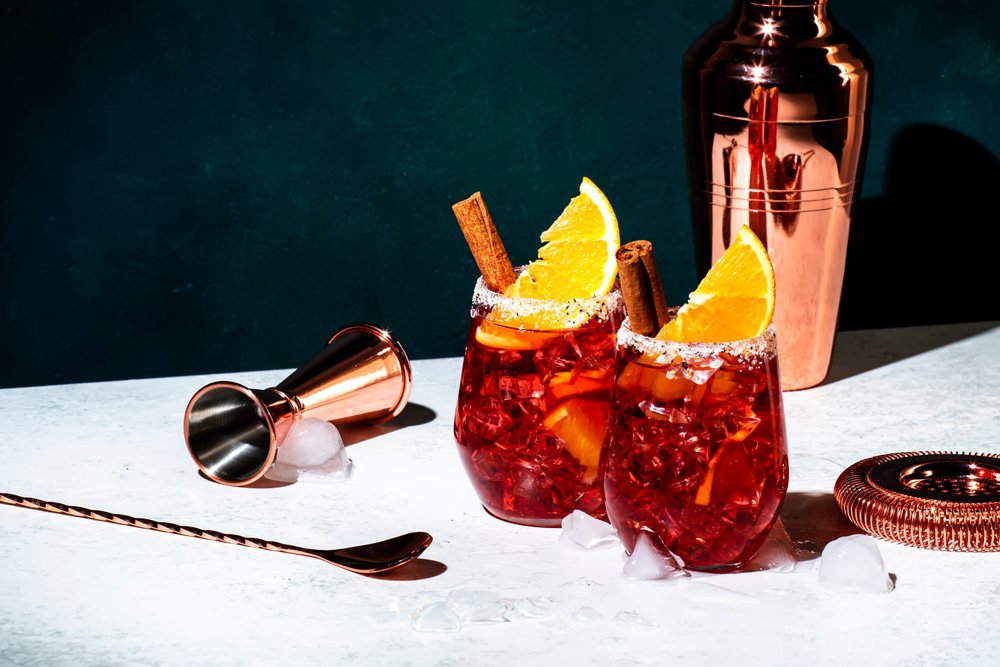
The RTD cocktail market has matured past its hard seltzer roots. Consumers now expect canned and bottled cocktails to deliver genuine complexity. They want layered flavor. They want recognizable ingredients. They want the kind of drinking experience that used to require a bartender. Agave wine has emerged as a compelling answer to that demand. Its naturally fermented sweetness, mid-range ABV, and versatile flavor profile make it an ingredient worth serious attention from RTD producers and premium spirits developers alike.
What Agave Wine Brings to the Formulation Table
Agave wine occupies a distinct space in the alcohol ingredient landscape. Unlike distilled agave spirits, it retains the natural sugars and subtle flavor complexity of the blue agave piña. The fermentation process preserves vegetal sweetness, light floral notes, and a soft earthiness that distillation typically removes. That flavor retention is precisely what makes agave wine useful in formulation contexts where the goal is nuance rather than intensity.
At 20 ABV, agave wine sits comfortably between wine and spirits. That middle position gives formulators significant flexibility. It can serve as a primary base in lower-ABV RTD formats. It can act as a modifier in higher-ABV cocktail applications where additional complexity is needed. It can be blended with distilled agave spirits to add sweetness and body without requiring added sugars. Few single ingredients offer that range of functional roles.
The flavor profile also ages well across the production and distribution lifecycle. Agave wine's natural sweetness does not fade or turn bitter under the temperature and handling conditions typical of RTD distribution chains. That stability matters considerably for brands producing at scale with extended shelf lives.
Agave Wine as an RTD Base Ingredient
The RTD cocktail category has seen rapid growth in agave-forward formats. Margarita-style RTDs dominate shelf space. Palomas, agave spritzes, and agave-based wine cocktails are gaining ground. Consumer familiarity with agave flavor is higher than it has ever been. That familiarity creates a receptive market for agave wine as a primary RTD base.

The formulation advantages are practical. Agave wine's 20 ABV starting point simplifies the math for products targeting 5 to 8 percent ABV final formats. Dilution ratios are straightforward. The need for additional sweetener is reduced or eliminated entirely, depending on the recipe. Carbonation integrates well with the ingredient's lighter viscosity profile. The result is a cleaner-tasting, simpler-formula RTD product that reads well on a label.
RTD brands building agave-forward portfolios are also finding that agave wine supports multi-SKU differentiation. The same base ingredient can carry very different flavor expressions depending on what is layered over it. A hibiscus and lime variant reads differently from a ginger and yuzu variant, yet both share the same base authenticity. That consistency across a product line builds brand coherence while keeping production complexity manageable.
Pairing Agave Wine with Premium Spirits
Agave wine's role is not limited to standalone RTD applications. Its flavor and functional properties make it a productive blending partner for premium spirits in several contexts.
Blending with 100% Blue Agave Spirits is one of the most straightforward applications. A distilled agave spirit at 55 ABV carries intensity and complexity, but the distillation process removes some of the sweeter, more approachable notes present in the raw piña. Adding agave wine to the blend reintroduces that natural sweetness and rounds out the finish. The result is a spirit with broader consumer appeal that retains premium positioning. This approach resonates particularly with RTD cocktail brands that need a premium flavor profile at a final ABV their target audience will embrace.
Cocktail modifiers and mixers are another productive pairing context. Agave wine functions effectively as a cocktail modifier in on-premise applications and pre-batched formats. Its sweetness and body reduce the need for simple syrup or other sweetener additions in agave-forward cocktail builds. A paloma or agave spritz built with agave wine as a modifier has a more integrated, less assembled flavor than one built with separate sweetener additions.
Hybrid spirit-wine products represent a newer but growing format. Some producers are developing alcohol products that blend fermented agave wine with distilled agave spirit to create a distinct category expression. These products do not fit neatly into existing spirit or wine classifications, and that ambiguity can be a commercial advantage. Consumers open to novel agave experiences are willing to engage with new formats, particularly when the ingredient story is credible and the flavor delivers.
Flavor Profiles That Work with Agave Wine and Premium Spirits
Agave wine's natural flavor character is well-suited to a range of pairing directions. Its sweetness and mild earthiness create a flexible base that amplifies certain flavor combinations while softening others.
Citrus-forward profiles are the most natural pairing. Lime, grapefruit, blood orange, and yuzu all work with agave wine's inherent acidity and sweetness. These combinations perform particularly well in carbonated RTD formats where brightness and refreshment are the primary consumer expectations.

Herbal and floral profiles also pair effectively. Hibiscus, elderflower, cucumber, and basil complement rather than compete with agave wine's subtler flavor notes. These pairings tend to skew toward premium positioning and perform well in on-premise cocktail menus as well as bottled formats targeting wellness-oriented consumers.
Spiced and warm profiles, including ginger, tamarind, chili, and cinnamon, provide contrast to agave wine's sweetness. These combinations create more complex, food-friendly flavor profiles. They work well in seasonal or limited-edition formats where a distinctive taste experience justifies premium pricing.
Operational Considerations for Agave Wine in Premium Applications
Premium positioning requires premium ingredient sourcing. For agave wine, that means starting with a supplier whose production is genuinely vertically integrated. A supplier that controls agave cultivation, baking, juice extraction, fermentation, and packaging delivers batch-to-batch consistency that is simply not achievable through fragmented supply chains. When a premium product's flavor profile is part of its brand promise, that consistency is non-negotiable.
Bulk availability matters operationally. Agave wine supplied in 1,000-liter totes allows producers to work at a meaningful scale without the logistics complexity of managing hundreds of smaller containers. Domestic warehouse stocking further reduces lead times and freight exposure for U.S.-based brands. Both factors directly affect the ability to maintain production schedules aligned with retail and on-premise commitments.
How The Tierra Group Supports Agave Wine Applications
Here at The Tierra Group, we produce Bluava® Agave Wine at our vertically integrated facility in Capilla de Guadalupe, Mexico. We oversee every stage of production from agave cultivation through fermentation and packaging. Our agave wine is available in 1,000-liter bulk totes at 20 ABV and is stocked for domestic availability from our U.S. warehouse.
For brands that need a finished product rather than a bulk ingredient, our private label capabilities extend across agave wine and our full agave spirits range, including 100% Blue Agave Spirit, Agave Mixto, 100% Blue Agave Tequila, and Tequila Mixto. Our team works directly with producers on format, specification, and sourcing timelines to keep product development on schedule.
Connect with our team and find out how agave wine can strengthen your RTD or premium spirits portfolio.