
Sourcing an ingredient at scale is one decision. Managing it once it arrives is another. For food and beverage producers who have made the move to agave syrup bulk purchasing, the operational side of handling large-format packaging is where efficiency is either built or lost. Getting it right means fewer production interruptions, less product waste, and a supply chain that holds up under the pressure of high-volume output.
Why Bulk Packaging Decisions Carry More Weight Than They Appear
The format a producer chooses for receiving agave syrup shapes nearly every downstream step in the production process. How the syrup is stored, how it is dispensed into production lines, how much space it occupies in a facility, and how efficiently it moves through logistics all trace back to that initial packaging decision. For operations managing consistent, large-scale output, the cost of a misaligned packaging choice accumulates quickly. Both in direct expenses and in the friction it introduces to daily operations.
Bulk packaging also has implications beyond the production floor. Sustainability commitments, supplier compliance requirements, and retail or foodservice partner standards increasingly factor into how ingredients are received and handled. Producers who treat agave syrup as a strategic sugar replacement rather than a commodity ingredient tend to make more deliberate packaging decisions and see better results as a consequence.
The Three Main Bulk Packaging Formats for Agave Syrup
Agave syrup bulk purchasing typically involves one of three container types, each suited to different operational profiles. Understanding what each format offers and where it falls short is essential before committing to a sourcing arrangement.
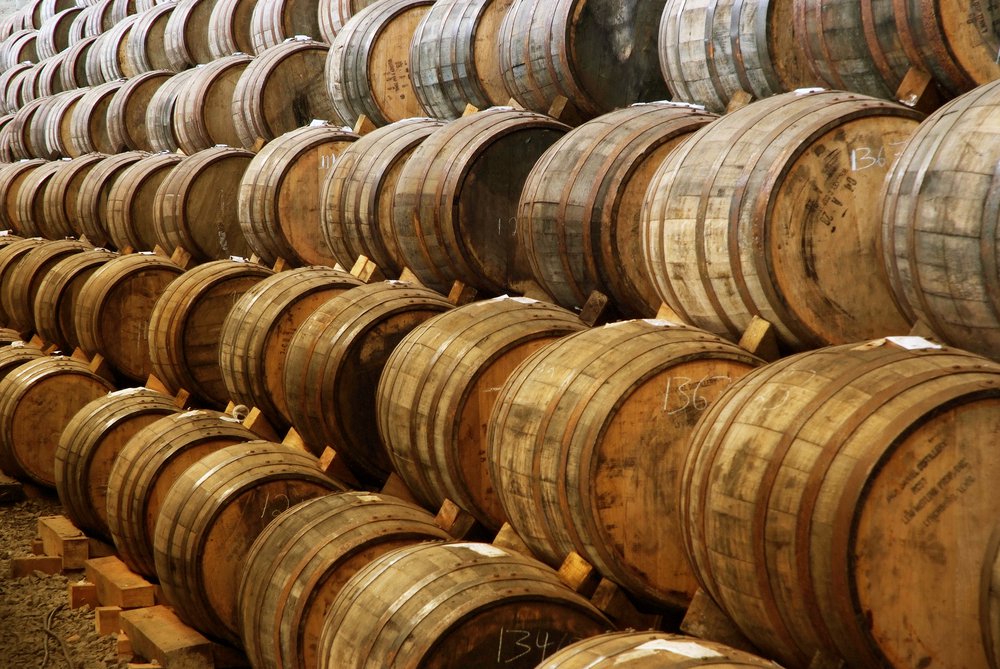
55-Gallon Drums are the most widely used format for mid-volume operations. Their size strikes a balance between capacity and handling ease, fitting standard drum dollies and forklifts without requiring specialized equipment. For producers who manage variable production schedules or who are still scaling their agave syrup usage, drums offer flexibility that larger containers do not. The tradeoff is efficiency at high volumes, where managing multiple drums to match the capacity of a single large container adds labor and handling time.

IBC Totes (Intermediate Bulk Containers) hold between 275 and 330 gallons per unit, making them the preferred format for operations processing large volumes of agave syrup consistently. Fewer units to receive, store, and manage translates directly into operational savings. IBC totes are also designed for reuse, which supports sustainability goals and reduces packaging waste over time.
Cardboard Totes are a lighter-weight alternative, typically lined with food-grade bags to protect product integrity. Their lower tare weight reduces shipping costs, and their collapsible structure saves warehouse space after use. For regional distribution or operations with tighter storage constraints, cardboard totes can be a cost-effective solution. Their relative fragility compared to steel drums or rigid IBC totes makes them less suited to complex or multi-leg distribution networks where handling conditions are harder to control.
A deeper comparison of how these three formats perform across different production environments is worth reviewing before making a final sourcing decision.
Storage Best Practices for Bulk Agave Syrup
Regardless of which packaging format a producer uses, how bulk agave syrup is stored has a direct impact on product quality and shelf life. Agave syrup is hygroscopic, meaning it absorbs moisture from the surrounding environment. Containers should be kept sealed when not in active use and stored in a cool, dry area away from direct sunlight and heat sources, which can accelerate color darkening and flavor changes in lighter syrup varieties.
Temperature consistency matters. Agave syrup does not require refrigeration. But significant fluctuations between warm and cool conditions can affect viscosity and create handling challenges on the production floor. Facilities in regions with pronounced seasonal temperature swings should account for this in their storage planning. Particularly if syrup is held in warehouse spaces that are not climate-controlled.
Rotation practices are equally important. Operating on a first-in, first-out basis ensures that older inventory moves through production before newer deliveries, reducing the risk of quality degradation at the bottom of the supply cycle. For operations receiving agave syrup in drums or totes, clearly marking delivery dates on containers at the point of receipt is a simple practice that pays dividends over time.
Dispensing and Line Integration
Moving agave syrup from bulk packaging into a production line introduces its own set of practical considerations. The viscosity of agave syrup, which sits between water and honey, means that standard gravity-fed transfer methods are less efficient at scale. Peristaltic pumps or gear pumps are commonly used to move syrup from bulk containers to holding tanks or directly to dosing points, with flow rates calibrated to match production line speed.
Heated transfer lines or jacketed tanks can be useful in colder production environments where syrup viscosity increases and slows transfer rates. For operations running continuous production rather than batch processes, maintaining a consistent syrup temperature in holding equipment reduces variability at the dosing stage and supports more uniform sweetness levels in the finished product.
Sanitation protocols for dispensing equipment deserve careful attention. Agave syrup's high sugar content creates conditions where microbial growth can occur in residual product left in lines or fittings between production runs. Regular cleaning cycles using food-safe protocols appropriate for high-sugar liquid handling are essential for maintaining product integrity and meeting food safety standards.

Matching Packaging Format to Production Scale
One of the more common mistakes producers make when transitioning to agave syrup bulk purchasing is selecting a packaging format based on price per unit rather than total operational cost. A format that appears cheaper per gallon can generate higher overall costs when handling time, equipment requirements, waste rates, and storage inefficiencies are factored in.
The right framework is to map packaging format against production volume, facility capabilities, and order frequency simultaneously. Operations that run continuous high-volume production with stable demand profiles typically find IBC totes deliver the best total cost of ownership.
Mid-volume operations with variable schedules often perform better with drums. Newer or smaller operations testing agave syrup in their formulations may find cardboard totes the most practical entry point, with a planned transition to larger formats as volume grows.
It is also worth noting that the broader shift among global manufacturers toward bulk agave syrup has driven improvements in packaging standardization and supplier logistics that make scaling up more straightforward than it was even a few years ago. Supply partners with mature bulk distribution infrastructure can often offer format flexibility within a single sourcing relationship, which simplifies procurement as production needs evolve.
How The Tierra Group Supports Agave Syrup Bulk Customers
The Tierra Group offers our Bluava® Agave Syrup in multiple bulk packaging formats. This includes drums, IBC totes, and cardboard totes, allowing our customers to align their sourcing with their actual operational needs rather than adapting their operations to a fixed format.
Whether your operation is scaling into bulk purchasing for the first time or optimizing an existing supply arrangement, our team can work through the packaging and logistics details with you. Start building a bulk supply arrangement that fits your operation. Get in touch with our team today.