
The spirits industry has never been more accessible to independent producers. Advances in contract manufacturing, more flexible minimum order quantities, and growing consumer appetite for craft and boutique labels have collectively lowered the barrier to entry for brands that want to bring a premium product to market without building a distillery from scratch.
Agave spirits sit squarely in the middle of this opportunity, combining one of the fastest-growing spirit categories with a private label model that allows smaller producers to compete at a surprisingly high level. What that opportunity actually looks like in practice, and what it takes to execute it well, is worth examining closely.
The Agave Spirits Category and Why It Attracts Independent Brands
Agave spirits have sustained remarkable growth over the past decade, driven largely by tequila but increasingly supported by a broader consumer interest in agave-derived products of all kinds. That expansion has created real openings for brands that are not positioned as mainstream tequila competitors. Consumers who have developed a taste for agave-forward flavor profiles are actively seeking out new expressions, and a well-positioned private label product can capture that curiosity if it is backed by genuine quality.
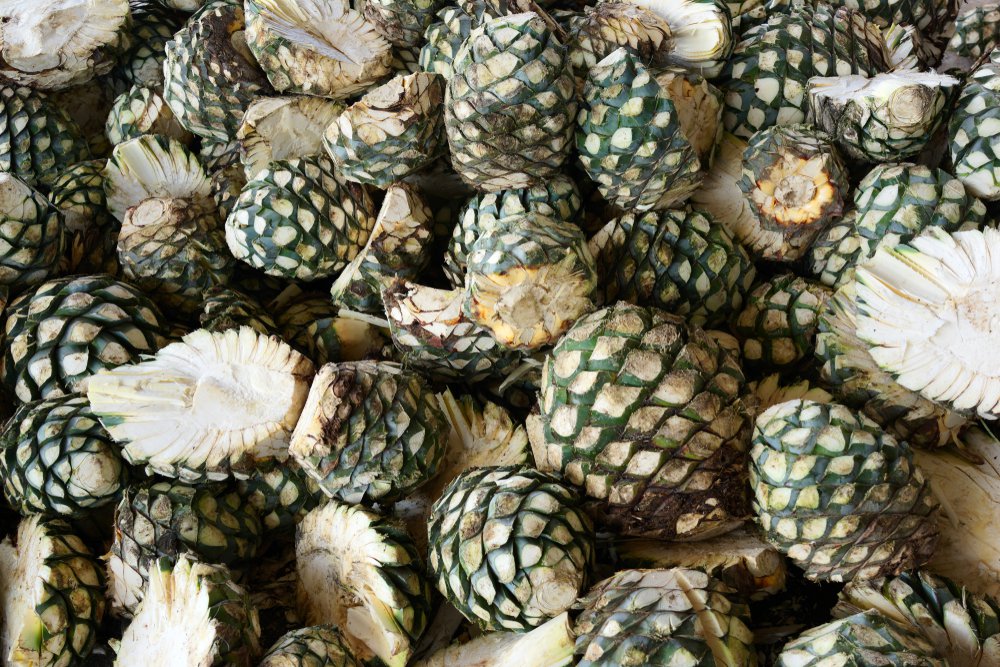
For smaller producers, the agave category offers something that many other spirit categories do not: a flavor profile with strong inherent identity. Agave spirits carry recognizable character derived directly from the plant itself, which means a private label product does not need to rely entirely on branding and packaging to justify its premium positioning. The ingredient does a meaningful share of that work on its own, provided the sourcing and production behind it are sound.
Agave Spirits vs. Tequila: A Critical Distinction
One of the most important things a small producer entering this space needs to understand is the regulatory distinction between agave spirits and tequila. The two are not interchangeable terms, and the difference has direct implications for sourcing, labeling, and route to market.
Tequila is a protected designation of origin. For a product to be labeled and sold as tequila, it must be produced in the state of Jalisco, or in certain designated municipalities in four other Mexican states, using Blue Agave Tequilana Weber at a distillery registered with and certified by the Consejo Regulador del Tequila, commonly referred to as the CRT. Products produced outside of these parameters, regardless of how similar they may be in flavor or production method, cannot legally carry the tequila designation.
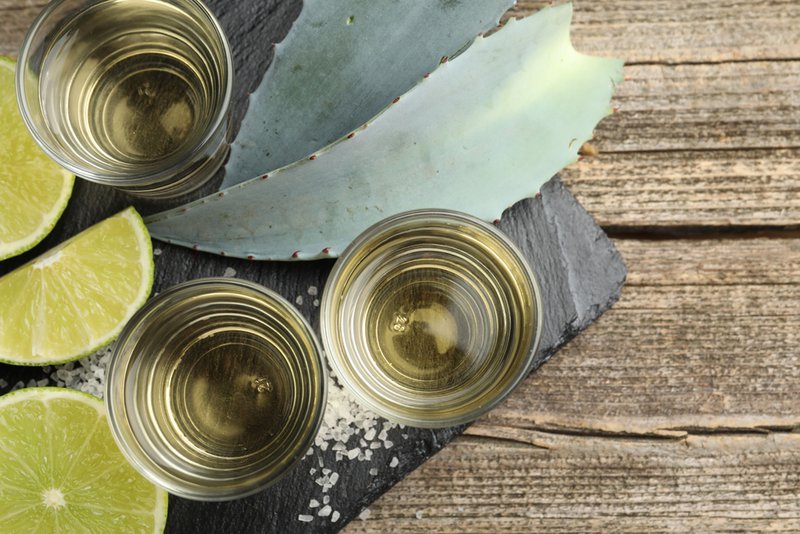
Agave spirits produced outside of the tequila designation zone, on the other hand, face a shorter path to market. They are not subject to CRT certification requirements, which removes a significant layer of regulatory complexity and timeline from the procurement process. For small producers weighing speed to market against the prestige of the tequila label, this distinction is one of the first strategic decisions they will need to make.
That said, working with a supplier that can support both paths is valuable. Producers who eventually want to offer an authentic tequila product will need to go through the CRT certification process, and having a supply partner who is familiar with that process and can provide guidance through it reduces friction considerably.
What Private Label Agave Spirits Actually Involves
Private label production, at its core, means that a producer sources a finished or near-finished spirit from a supplier and brings it to market under their own brand identity. In the agave spirits context, this typically involves selecting a base spirit, working through any desired blending or flavor adjustments, commissioning label and packaging design, and arranging for bottling and distribution.
The supply side of this equation matters more than many first-time producers anticipate. The quality ceiling of a private label product is set almost entirely by the quality of the base spirit it starts with. A supplier that controls the full production chain, from agave farming through fermentation and distillation, can offer a level of consistency and traceability that third-party assemblers simply cannot replicate. For a brand staking its reputation on a single SKU or a small portfolio, that consistency is not optional.
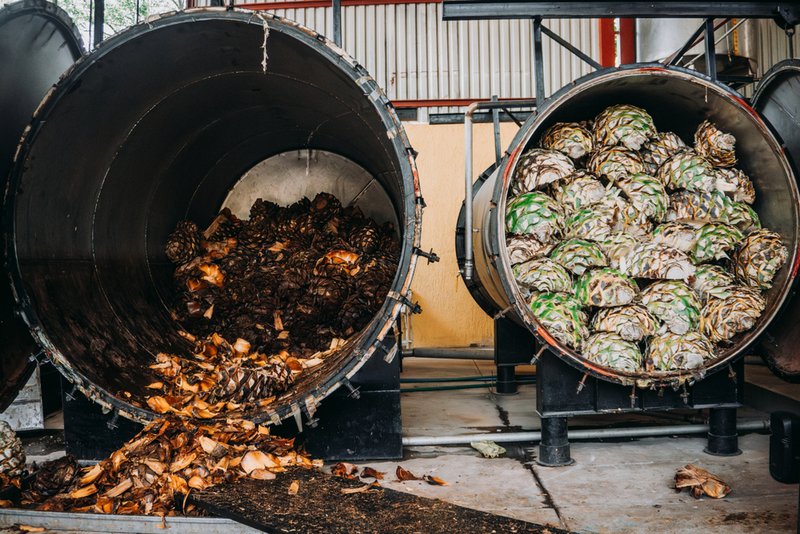
Production method is another area worth scrutinizing. Premium agave spirits are typically produced from 100% blue agave juice with no added sugars, fermented over an extended period to develop flavor complexity, and double-distilled using copper components that contribute to a cleaner, more refined final profile. These are the markers of a product that will hold up to consumer scrutiny and justify a premium price point.
Packaging and Branding Considerations
The packaging decisions made during a private label launch have a disproportionate impact on how the product is received. Agave spirits occupy a visual category where the shelf presence of premium bottles, labels, and closures is part of the product experience. Consumers make rapid judgments about quality based on packaging before they ever open a bottle, which means that investment in thoughtful design pays returns that extend well beyond aesthetics.
Small producers working with a private label supplier should clarify early in the process what packaging formats are available, what the minimum order quantities are for bottled product, and whether the supplier offers any support or flexibility for custom label work. Suppliers that stock product domestically can often move bottled product to market faster than those who require full international freight for every order, which is a meaningful advantage when a producer is trying to hit a specific launch window.
Distribution and Licensing Requirements
Private label agave spirits are subject to the same distribution and licensing framework as any other alcohol product. In the United States, that means navigating the three-tier system, securing the appropriate federal and state permits, and working with licensed distributors to access on-premise and off-premise retail channels. For producers new to the spirits industry, this regulatory landscape can feel complex, but it is well-documented and navigable with proper planning.
One area specific to agave spirits worth flagging is the DSP, or Distilled Spirits Plant, designation. In the U.S., bulk spirits must be received and held at a licensed DSP before they can be bottled or sold. Producers who do not operate their own DSP facility will need to work with a licensed DSP partner. Some agave spirit suppliers stock product at U.S.-based DSP warehouses, which simplifies the domestic logistics chain considerably and reduces the number of intermediaries a small producer needs to manage.
How The Tierra Group Supports Private Label Agave Spirit Brands
The Tierra Group offers private label capabilities across our full range of agave spirit products, including our 100% Blue Agave Spirits, Agave Mixto, 100% Blue Agave Tequila, and Tequila Mixto. Our production is fully vertically integrated at our facility in Capilla de Guadalupe, Mexico, where we manage every stage from agave cultivation through distillation and packaging.
Whether the goal is a fast-to-market agave spirit launch or a longer-term tequila brand build, our team has the product range, supply infrastructure, and industry knowledge to support producers at every stage of the process. Get in touch with our team today.